Structured thinking. Decisive speaking.
Understanding the video is easy. Explaining your takeaway is hard.
We replace generic conversation practice with structured video analysis. You get the frameworks you need to organize your thoughts and deliver clear opinions.
How it works.
You talk. We measure.
75% of every session is you speaking. We track this using transcription software. But this isn't random chat—you summarize information, explain data, and defend your opinions. An expert guides you through each step.
Feedback that sticks.
Real-time correction plus detailed notes. We fix errors during drills so you can improve immediately. After each session, you get detailed feedback on your grammar, tone, and structure. You always know if you're making sense.
From small talk to strategy.
Practice 13 workplace skills. We cover the full range of business communication. Break the ice with colleagues. Analyze charts. Summarize reports. Deliver formal arguments. All the skills you actually use at work.
Learn definitions at home. Speak in class.
More speaking time, less lecture. We send you the video and vocabulary before the session. Review the definitions on your own time. When class starts, you're ready to speak immediately. Zero minutes on definitions. Every minute on fluency.
The Workflow
A structured 3-step cycle. Toggle below to see how we prepare, simulate, and consolidate.
We send materials early. Learn definitions on your own time so we don't waste class time.
Video Briefing
Get a short summary of the video and simple explanations for any cultural references or confusing jokes.
Vocabulary Practice
Match new words and idioms to their definitions. Fill in the blanks using quotes from the video. Know what words mean before class starts.
Pronunciation Practice
Listen to short quotes from the video. Copy the intonation and stress of native speakers.
Idioms & Colloquialisms
Look at casual business expressions used in the video. Practice using them in natural sentences.
Language Structures
Read examples of grammar structures from the video (like showing cause and effect). Write your own sentences using prompts we provide.
75% speaking time. We move through a step-by-step sequence to build your confidence.
Warm Up
Start with simple personal questions related to the topic. Get speaking immediately.
Use the Vocabulary
Stop talking about words. Start using them. Answer open-ended questions with your new vocabulary.
Summarize the Content
Practice being concise. Give a one-sentence summary of the video, then briefly outline the key sections.
Recall Details
Answer specific questions about facts, numbers, and quotes. We check your listening skills.
Explain the Data
Look at a chart or infographic from the video. Explain the data trends using professional, analytical language.
Share Your Opinion
Debate the big themes. Tell me if you agree or disagree with specific statements and explain why.
The Boardroom
Enter a formal role-play. Give a speech, make an argument, or deliver a proposal. Sound authoritative.
The Water Cooler
Switch to a casual role-play. Practice the relaxed tone needed for chatting with colleagues during a break.
What Happens Next
Wrap up by predicting what will happen next with the topic we just discussed.
Cement the skills. Structured follow-up to ensure you remember what you practiced.
Your Assignment
Complete a short writing task or record a spoken answer to a specific question about the lesson.
Detailed Feedback
We review your assignment and give you notes on grammar, structure, and tone to help you improve.
Pick your topic.
Choose from our topic library or bring your own videos. Same rigorous process, but focused on what matters to you.
1-5 of 125

TBS-117 Hollywood's Digital Disruptions
Do you ever feel like your industry is changing so fast that it’s hard to find your footing? This lesson looks at Hollywood as a "factory town" currently undergoing a massive reset. We explore how tech disruption, AI, and changing consumer habits have created an "inflection point" for professionals in the film world. You will learn natural metaphors to describe market shifts, practice phrases for discussing professional "stepbacks," and explore how to find a "sweet spot" when business models break. By the end of this lesson, you’ll be able to discuss complex economic trends and personal career challenges with the ease of a casual coffee chat.

TBS-116 Global Energy Geopolitics: The Hormuz Crisis
How much do you think about the price of gas when you’re planning your monthly budget or business expenses? This lesson explores the critical role of the Strait of Hormuz—a narrow waterway that handles 20% of the world's oil supply. We will look at why a conflict in one small part of the Middle East causes prices to rise for everyone, from airlines in Europe to grocery stores in North America. In this lesson, you will learn natural expressions to describe market changes, practice "crunching the numbers" in professional discussions, and discuss how global events "trickle down" to your daily work life.
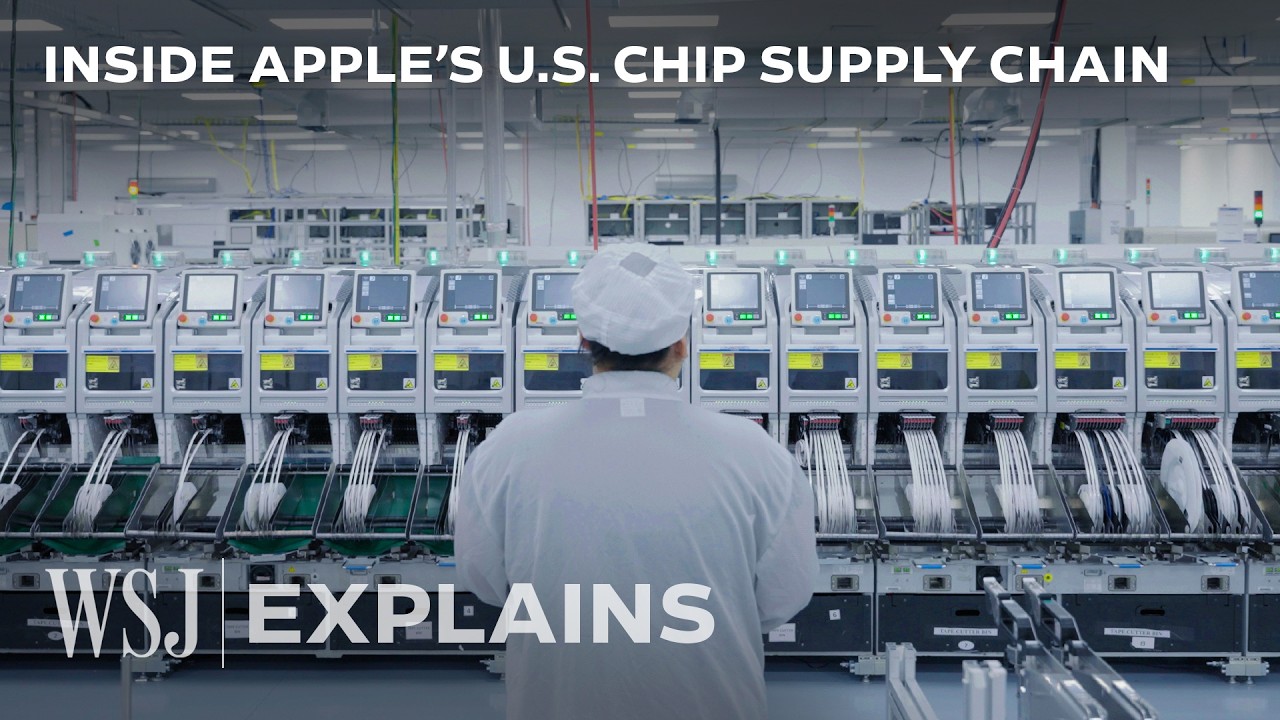
TBS-115 Apple's Semiconductor Reshoring
This video explores Apple’s massive $600 billion investment to bring chip manufacturing back to the United States, a process known as "reshoring." Following the supply chain from raw silicon in North Carolina to high-tech "fabs" in Arizona and assembly plants in Texas, the report highlights the immense complexity, costs, and geopolitical risks involved in reducing dependence on foreign factories, particularly those in Taiwan.
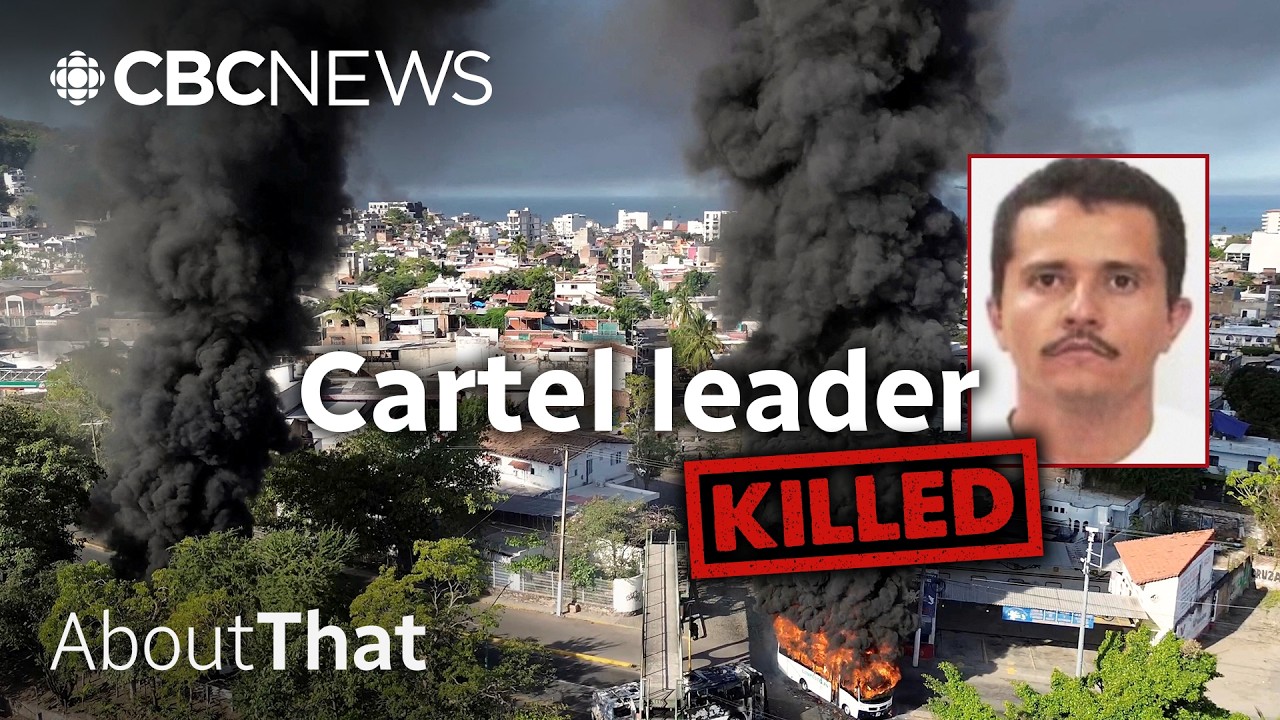
TBS-113 The Business of Shadow Empires: Analyzing the CJNG
This worksheet is designed to get you ready for our session on the complex organizational structure and economic impact of one of the world's most powerful criminal organizations. We will analyze the "business model" of the CJNG and discuss the implications of leadership vacuums in large-scale operations.

TBS-113 – Floating Cities: The Evolution of Cruise Ships
Do you enjoy luxury travel, or do you prefer getting to your destination as fast as possible? This video explores the fascinating history of cruise ships, from their origins as fast ocean liners to their current status as massive "floating cities." We’ll look at how the decline of sea travel for transportation led to a total redesign of ships for leisure. In this lesson, you will learn professional vocabulary to describe business evolution, discuss how industries adapt to new technology like air travel, and practice managing conversations about historical trends and future predictions in the travel sector.

TBS-112 The Hidden History of Coca-Cola
How much do you really know about the origins of the products we use every day? This lesson explores the fascinating and complex history of the cola nut, from its sacred roots in West Africa to its role in the creation of Coca-Cola. Understanding a company’s history—including its "bitter side"—is essential for understanding branding and global markets today. In this lesson, you will learn professional vocabulary to describe product development, talk about corporate secrets, and discuss how traditions influence modern business. You will practice sharing these stories naturally to build rapport with colleagues and clients during informal professional exchanges.

TBS-111 Breaking the Cycle of Poverty
In this class, we are going to dive into a tough but important conversation about money and how society helps people. We’ll look at why "getting ahead" is sometimes harder than it looks, especially when life throws you a curveball. You will learn how to describe tricky situations where there is a "catch" and how to talk about things that are "turning around" in your own life. By the end of the lesson, you'll feel much more natural using social bridges to explain complex problems to your friends or colleagues. We want you to sound confident while discussing big ideas, using the same "Social English" that native speakers use to simplify difficult topics.

TBS-110 Thailand's Economic Crossroads
Behind the postcard image of Thailand as a tourist paradise lies a complex reality of economic lethargy and political instability. Once a manufacturing powerhouse, the country is now struggling with stagnant growth, a shrinking workforce, and extreme income inequality. This video explores how a "revolving door of governments" and deep-seated structural issues have caused Thailand to fall behind its regional peers in the race for modern investment.
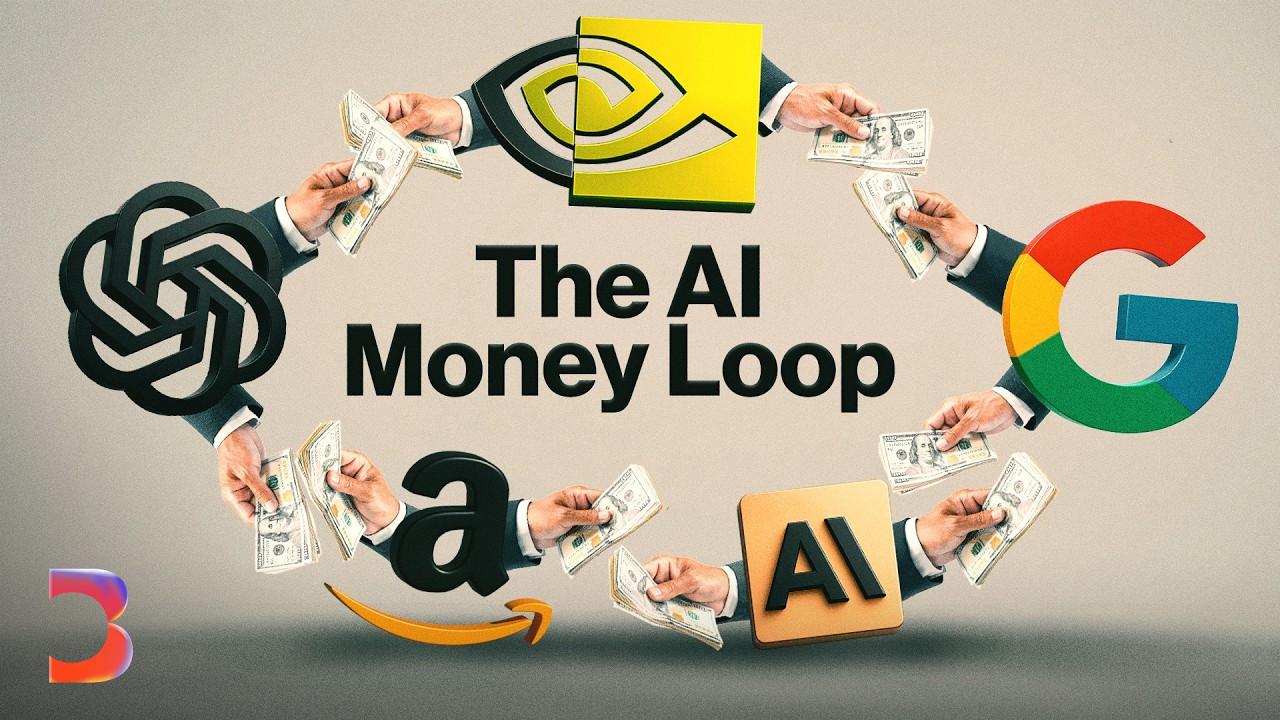
TBS-109 The AI Gamble: Circular Deals and the Data Center Boom
Are we currently witnessing a revolutionary shift in technology, or are we repeating the mistakes of the past? This lesson explores the massive financial investments driving the artificial intelligence boom, focusing on the concept of "circular deals" and the physical infrastructure—like data centers—required to keep it running. You will learn how to discuss complex economic trends using natural, conversational English. We will cover idioms related to risk and reward, practice managing detailed explanations in meetings, and debate whether AI is a sustainable "structural shift" or a bubble waiting to burst. By the end of this lesson, you’ll be able to talk about high-stakes business strategies with confidence and clarity.

TBS-108 Fueling the Future: Chevron’s Long Game in Venezuela
This lesson explores the complex relationship between Chevron and Venezuela's oil industry. Students will examine the "long view" strategy of operating in volatile geopolitical environments. We will focus on language for analyzing market risks and managing international relations. In the Speaking Development section, students will engage in a simulation where they act as consultants advising a firm on entering high-risk markets. Language Development focuses on expressions like "carrots and sticks" and "option value." Finally, the Writing Development task requires students to draft a formal memo regarding corporate risk management and long-term investment strategies.

TBS-107 Japan’s Economic Turning Point
This lesson explores Japan's historic transition from decades of stagnant prices to a new era of inflation. Students will analyze the causes of the weakening yen, the impact of rising costs on small businesses, and the challenges facing Japan's first female Prime Minister. Linguistically, the lesson focuses on Language Development through economic idioms like "rock bottom" and "moving the needle." In Speaking Development, students will practice explaining technical economic cycles and debating national debt strategies. Finally, the Writing Development task requires students to propose a corporate strategy for managing rising overhead costs in a shifting market.

TBS-106 The Algorithm in Your Wallet
In this lesson, we explore the controversial world of dynamic pricing and how modern technology is changing the way we pay for everything from groceries to rent. Students will analyze the history of the price tag, discuss the ethics of algorithmic pricing, and debate the line between smart business and consumer surveillance. Language focus includes vocabulary related to economics and technology, idioms for rising costs and negotiation, and structural phrases for explaining results and hypothetical situations. We will also practice formal speaking by simulating a regulatory hearing on AI pricing.

TBS-105 The Degree Debate: Future-Proofing Your Career
This lesson explores the evolving value of higher education in the modern workforce. Based on a video from The Economist, students will analyze trends in graduate unemployment, the impact of AI on traditional jobs, and the rising importance of soft skills. Key activities include analyzing workforce data, debating the relevance of university degrees versus apprenticeships, and practicing formal argumentation. Students will also develop vocabulary related to professional development and economic trends, while improving their ability to use contrastive and hypothetical language structures in business contexts.

TBS-104 The AI Takeover of the S&P 500
In this lesson, students explore how Artificial Intelligence is reshaping the US stock market, specifically the S&P 500. The session focuses on the risks and benefits of market concentration and the dominance of "Big Tech." Students will learn key financial vocabulary such as volatility, exposure, and allocation, and practice identifying cause-and-effect language structures. Speaking activities include summarizing complex market data, debating the stability of the current "AI boom," and a formal role-play where students act as financial advisors to guide a client through investment risks.
TBS-103: Politics, Populism, and the Price of Living
Explore the changing political landscape of New York City in our lesson, 'Politics, Populism, and Wall Street'. Based on a video about a new populist mayor's election, this session examines his ambitious policies like rent freezes and new taxes. You will develop your speaking skills by discussing the high cost of living, summarizing the video's main points, and analyzing economic arguments. You will also learn new vocabulary related to politics and finance. The lesson finishes with a formal speaking activity where you will prepare and deliver a speech about implementing similar policies in your own city. A follow-up writing task is also included.

TBS-102 Why is Everyone Buying Gold?
In this lesson, we will explore the recent sharp increase in the price of gold. We'll discuss why investors and even central banks are buying it, including concerns about the US dollar, political tensions, and a search for "safe haven" assets. You will learn new vocabulary related to economic uncertainty, practice summarizing the video's main points, and analyze data on gold and the dollar. You will also develop your speaking skills by giving your opinions, and you will prepare a formal recommendation for an investment committee.
TBS-101 The Rise and Fall of WeWork
Explore the fascinating journey of WeWork, from a startup darling to bankruptcy, in this engaging lesson. You'll discuss business success and failure, and the impact of leadership on a company's trajectory. This session focuses on enhancing your business communication skills through activities like summarizing key events, explaining complex financial details, and formally presenting your insights on case studies. You’ll also practice informal discussions and develop your ability to organize ideas for effective workplace communication.

Worksheet _ TBS-100 Buy Now, Pay Later: The Future of Payments
This lesson delves into the world of "Buy Now, Pay Later" (BNPL), exploring its rise as an alternative payment method and its impact on consumers and merchants. Through engaging activities, students will practice using new business vocabulary, summarize key concepts, explain technical financial details, and analyze data related to BNPL. The session culminates in a formal speaking task where students will develop a strategy for a BNPL company entering a new market, followed by an informal discussion and a writing activity to consolidate their learning.

Worksheet _ TBS-099 - The Foldable Phone Revolution
This lesson will prepare you to discuss the new trend of foldable phones and the future of smartphone design. You will engage in activities designed to improve your business communication skills. The lesson focuses on developing a range of speaking modalities, including summarizing key points from a video, explaining technical details, and expressing your own opinions. You will also practice formal speaking by preparing a short presentation on a related business topic. This lesson includes an optional writing activity to help you practice and improve your writing skills at home.

Worksheet _ TBS-098 Samsung's High-Stakes Chip Challenge
Explore the massive challenges facing Samsung, a giant in the tech world. This lesson examines how the rise of AI has put Samsung under assault from competitors like SK Hynix. You will learn business vocabulary to discuss market competition and technological change. Speaking activities will include summarizing the situation, explaining technical concepts, and discussing Samsung's role in the South Korean economy. For the final task, you will prepare a formal presentation advising a smaller company on how to challenge a market leader. This lesson will help you practice critical thinking and formal business communication.

Worksheet _ TBS-097 Grabbing Success: The Story of a Super App
This session explores the incredible journey of Anthony Tan, who grew his startup, Grab, from a simple idea into Southeast Asia's leading "super app." We'll discuss the key factors behind his success, including his resilience against fierce competition and family conflict. You'll develop your business English by practicing key vocabulary like poverty alleviation and idioms such as iron sharpens iron. Speaking activities will focus on summarizing, detailing business strategy, and expressing opinions. The session ends with a formal speaking task where you'll advise a new company on a market-entry strategy, applying lessons learned from Grab's story.

Worksheet _ TBS-096 Border Tensions and Broken Trust
This lesson explores the recent border conflict between Thailand and Cambodia, focusing on its historical roots and how a leaked phone call created a political crisis. You will learn and practice vocabulary related to conflict and diplomacy, such as 'tit-for-tat', 'take a hard line', and 'get the genie back in the bottle'. You will develop your speaking skills by summarizing the video, explaining detailed events, and discussing your opinions. In the formal speaking activity, you will role-play as a political advisor and propose a strategy to de-escalate the conflict,

Worksheet _ TBS-095 A Dynasty in Crisis
This lesson explores the challenges facing a major Hong Kong property dynasty, New World Development. We will examine how the company's rapid, debt-fueled expansion under heir Adrian Cheng met the harsh realities of a changing economic and political landscape. You will develop language skills by learning key vocabulary related to finance and leadership. You will also practice a range of speaking skills, from summarizing and explaining data to expressing opinions. The lesson will conclude with a formal speaking task where you will act as a consultant, advising on market entry strategy based on the case study.

Worksheet _ TBS-094 Punching Above Its Weight: Alberta’s Economic Impact
In this lesson, students explore Alberta's role in Canada’s economy using a video about GDP, oil exports, and fiscal contributions. They will learn expressions and vocabulary related to economics and energy. Speaking tasks guide them through summarizing and analyzing data, giving opinions, and presenting formal arguments about regional contributions. Students will also practice writing a concise response about Alberta's importance and future economic role.
Worksheet _ TBS-093 Redesigning Airbnb: From Homes to Services
In this lesson, students will explore how Airbnb is evolving from a travel company into a broad service-based platform. They will learn useful vocabulary and idiomatic expressions related to innovation, work culture, and the future of tech-enabled services. Students will develop communication skills through structured speaking activities, including giving opinions, summarizing, and presenting formal arguments. Writing and pronunciation tasks help reinforce language usage. The lesson ends with a mock business scenario and future-oriented reflection.

TBS-092 Australia - Running Out of Luck?
Explore the causes behind Australia’s economic slowdown despite its decades-long growth streak. Students will learn to summarize economic trends, analyze charts, explain productivity issues, and debate potential reforms. Language development includes vocabulary and expressions about economic performance and housing issues. Speaking practice covers summarizing data, discussing national issues, and giving a formal speech on policy strategy. Writing tasks encourage deeper reflection on causes and solutions.

TBS-091 The Power of Private Labels – How Costco’s Kirkland Brand Changed Retail
In this lesson, students will explore how Costco’s Kirkland Signature became a retail powerhouse by defying industry norms. Through authentic video content, learners will expand their business vocabulary (e.g., private label, markup, SKU) and practice summarizing, explaining data, and debating retail strategies. Speaking activities include analyzing negotiation tactics, presenting arguments for/against single-brand strategies, and role-playing supplier discussions. A follow-up writing task challenges students to evaluate private-label trends in their own country.

TBS-090 The Truth About Timeshares
Timeshares have evolved from rigid vacation property ownership to flexible point-based systems. This lesson explores how major companies have rebranded timeshares, their business model, and the ongoing challenges in the industry. Students will develop skills in summarizing key business concepts, analyzing industry trends, and debating ethical concerns. Activities include vocabulary practice, structured discussions, and a formal speaking task on investment strategies.
TBS-089 Deep Seek and the AI Disruption
Deep Seek, a Chinese AI startup, has disrupted the AI market by outperforming US tech giants at a fraction of the cost. In this lesson, students will explore the implications of this breakthrough, practice business-related vocabulary, and analyze AI industry trends. Through structured speaking activities, they will summarize content, discuss key opinions, and deliver a formal business speech. Writing exercises will reinforce their ability to present complex ideas clearly and concisely.

TBS-088 Reinventing Everyday Products: Lessons from Justin’s Nut Butter
This lesson explores the entrepreneurial journey of Justin Gold, founder of Justin's Nut Butter, focusing on innovation, persistence, and community support. Students will expand their business-related vocabulary, practice concise and detailed communication, and develop critical thinking skills. Activities include vocabulary exercises, summarizing video content, discussing business strategies, and crafting a formal speech about launching a product.
TBS-087 Corporate Activism and DEI Policies
This lesson explores the activism of Robby Starbuck, focusing on his campaigns against corporate diversity, equity, and inclusion (DEI) policies. Students will enhance their communication skills by practicing summarization, expressing opinions, analyzing detailed information, and engaging in formal and informal speaking tasks. Through this lesson, they will gain valuable vocabulary, learn idioms and expressions related to corporate culture, and develop critical thinking skills.

TBS-086 Liquid Death - Marketing Rebellion
This lesson examines Liquid Death’s unconventional marketing strategy, focusing on its use of counterculture branding, viral campaigns, and product differentiation. Students will develop skills to summarize marketing approaches, analyze sales trends, and debate the role of authenticity in brand growth. The session includes new vocabulary, critical thinking activities, and a formal speaking task about launching a disruptive product in new markets.
TBS-085 Bitcoin's Highs and Lows: A Risky Ride
This lesson explores cryptocurrency trends, including Bitcoin's historic highs and challenges, emphasizing economic factors and institutional changes like ETFs. Students will develop skills to summarize market dynamics, analyze charts, and debate crypto's future. The session includes new vocabulary, critical thinking activities, and a formal speaking task about investing strategies.

TBS-084 The Musk-Trump Alliance: Power and Influence
This lesson explores the influence of Elon Musk in the political arena, particularly his alliance with Donald Trump. Students will learn about the interplay between politics and business through detailed discussions on topics like political donations, federal oversight, and corporate influence. They will develop vocabulary from the video, practice summarizing and analyzing key content, and participate in formal and informal speaking activities. Writing and critical thinking tasks will further enhance their communication skills.

TBS-083 How Trump Defeated Harris for President: Key Election Campaign Moments | WSJ

TBS-082 Tesla’s Bold Bet on the Robotaxi Future
In this lesson, students will explore the concepts of autonomous vehicles, Tesla's business strategy, and the impact of disruptive technology on industries. Through discussions and critical thinking exercises, students will develop communication skills around evaluating business risks, technological trends, and ethics in innovation.

TBS-081 Microsoft’s Shift to Game Pass: Competing Beyond Consoles
This session explores Microsoft’s strategic shift from hardware to subscription services with Xbox Game Pass. Students will discuss the economics of console gaming, subscription models, and Microsoft’s competitive challenges, learning to summarize complex ideas, provide detailed information, and think critically about business strategies.

TBS-080: AMD vs. Intel: The Semiconductor Showdown
In this lesson, students will explore AMD's rise in the semiconductor market. Through engaging activities, they will develop business-specific vocabulary, focus on formal communication in professional settings, and refine their writing skills with targeted development tasks. The video analysis will support both content comprehension and language acquisition, especially emphasizing formal speech techniques and structured debate.
![TBS-079[ML] The Art of Debate - Kamala Harris vs. Donald Trump](https://img.youtube.com/vi/5FDFPZgdtHs/maxresdefault.jpg)
TBS-079[ML] The Art of Debate - Kamala Harris vs. Donald Trump
In this lesson, students will analyze debate techniques used by Kamala Harris and Donald Trump. They will explore rhetorical strategies such as the 'Gish Gallop' and practice formal and informal speaking based on authentic video material. Students will improve their ability to summarize content concisely, explain technical details, analyze argumentative tactics, and express critical opinions. Through formal speech practice and a mock debate, students will build confidence in using persuasive language and developing organized arguments.
TBS-078 The Economics of Duolingo
In this Talk Business session, you'll explore the business model of Duolingo, one of the top language-learning apps, and its innovative strategies like gamification, AI, and A/B testing. The lesson will guide you through vocabulary development, summarizing content, providing detailed information, and expressing technical details. You'll also engage in activities to practice formal speaking, critical thinking, and presenting structured arguments, preparing you for effective communication in business environments.
TBS-077 Haidilao’s International Expansion
In this lesson, you'll explore the success of Haidilao, China's largest hot pot chain, as it expands into the U.S. market. You will develop your language skills by discussing the company's unique offerings, practicing vocabulary and expressions related to global business, and enhancing your ability to summarize, explain details, and express opinions. The session will culminate in a formal speaking activity where you will advise on Haidilao’s U.S. strategy.
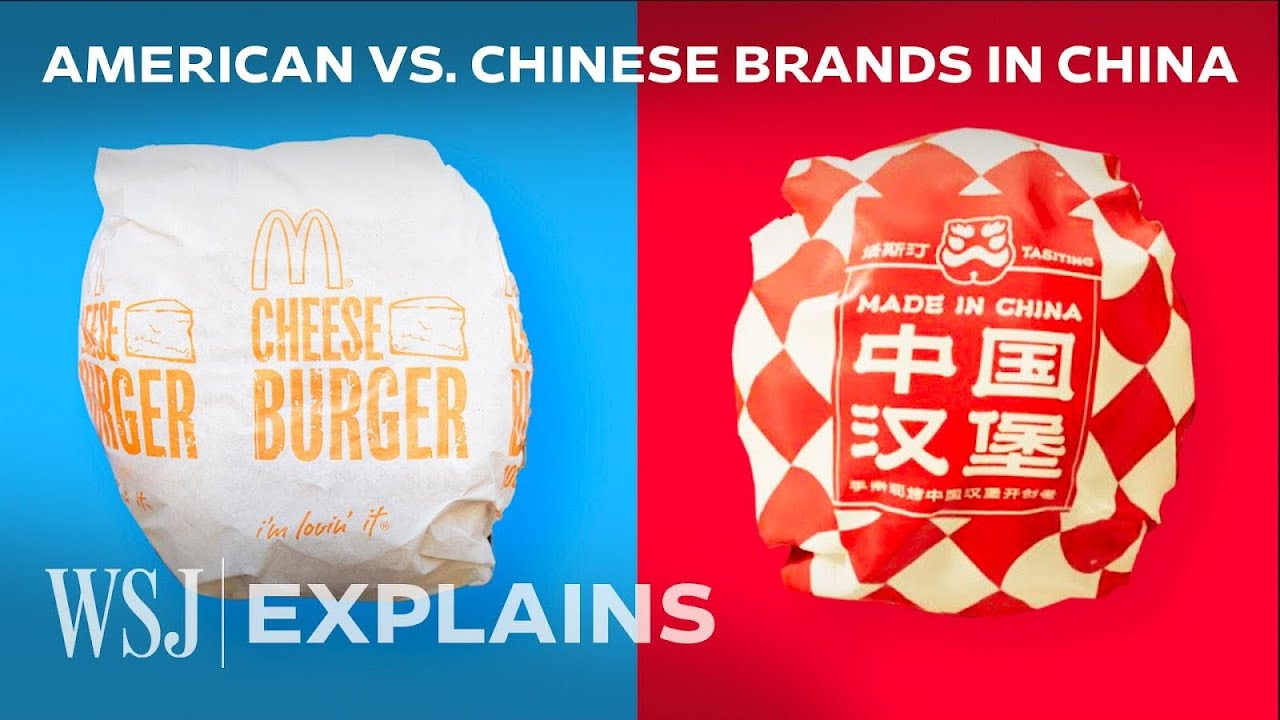
TBS-076 The Rise of Chinese Brands
In this lesson, students will explore the rise of Chinese brands and the challenges they pose to American companies in China. Participants will engage in small talk about personal experiences with local brands, practice new vocabulary and idioms, summarize video content, and analyze detailed information and data presented. Additionally, they will develop their speaking skills by preparing a short presentation on the strategies of Chinese brands. Writing tasks will include summarizing key points and expressing opinions on the topic.
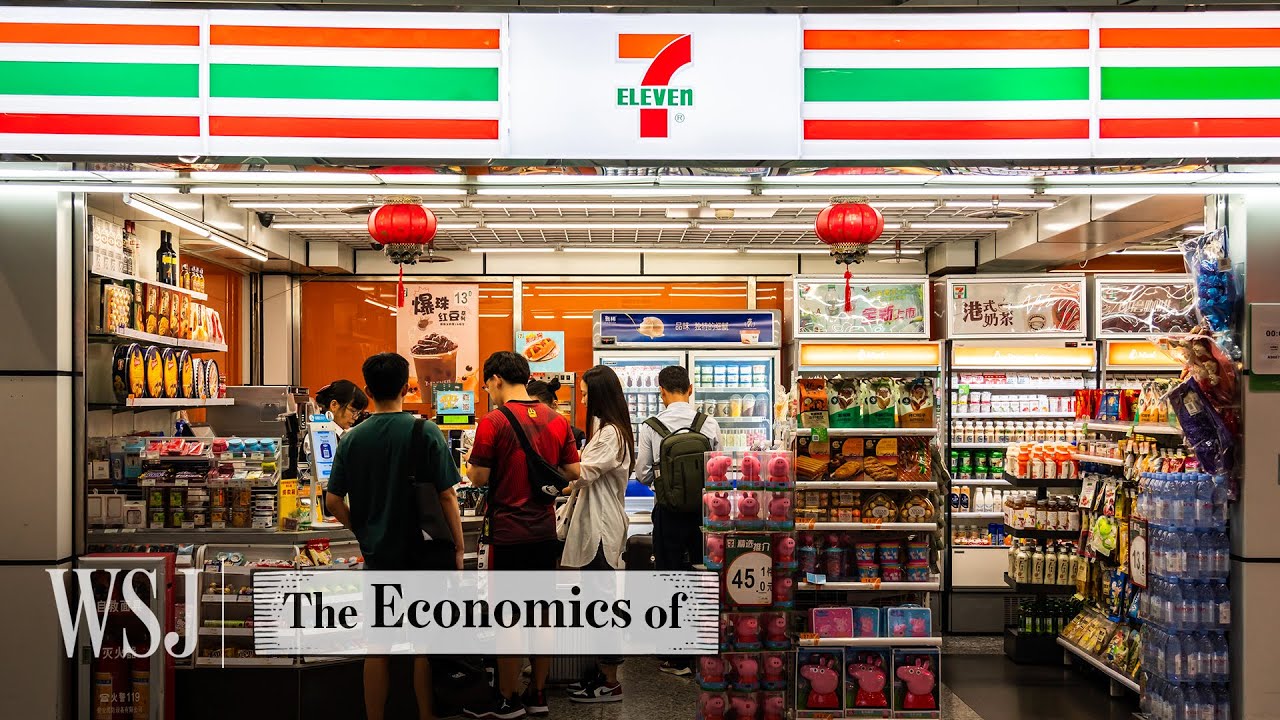
TBS-075 Japanese Inspiration for American Convenience Stores
This lesson explores how 7-Eleven, a major convenience store chain, is incorporating Japanese practices into its American operations. Participants will improve their English communication skills by engaging in discussions, summarizing the video's content, analyzing charts, and delivering a formal speech. Key areas of focus include vocabulary development, detailed explanation of technical content, and practicing formal and informal speaking.
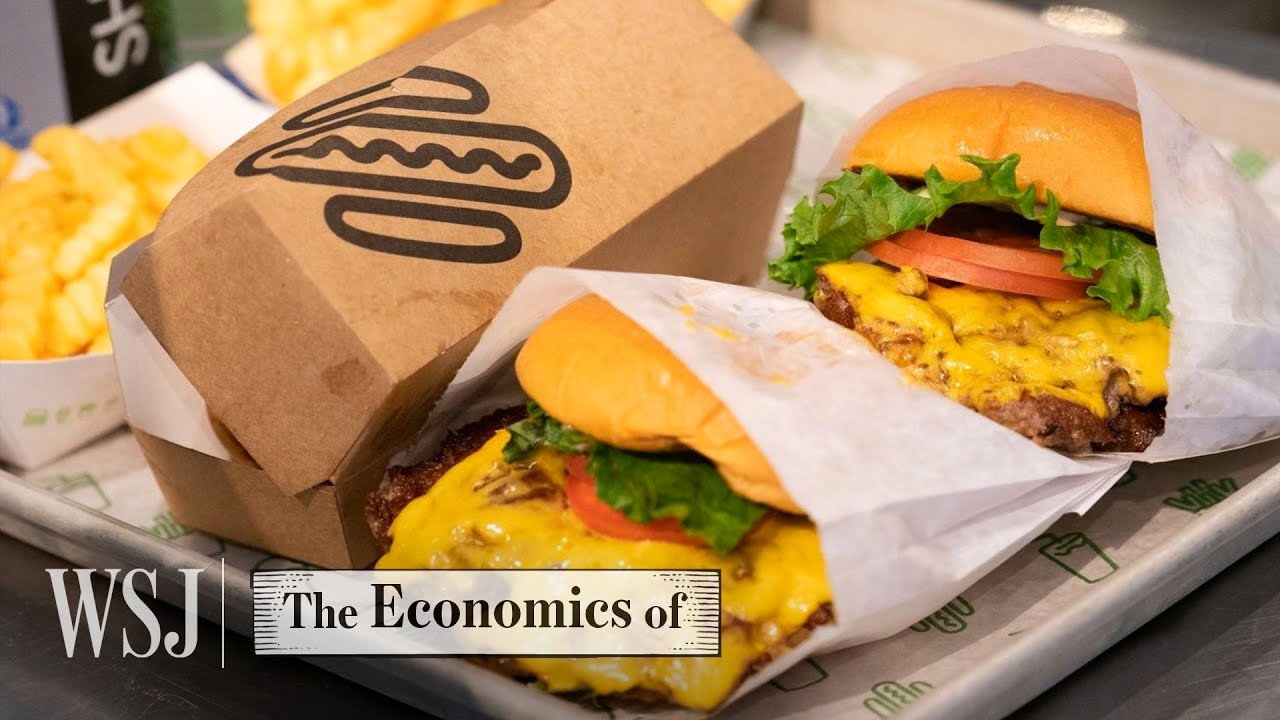
TBS-074: Shake Shack’s Strategic Expansion
This lesson explores Shake Shack's strategic expansion, focusing on how it balances speed and quality in the fast-food industry. Students will engage in activities designed to enhance their business communication skills through vocabulary development, discussing personal experiences, summarizing content, and explaining detailed information. The highlight is the formal speaking activity where students will prepare a business presentation on Shake Shack's market strategies. Additionally, writing development activities will reinforce these skills through reflective exercises.
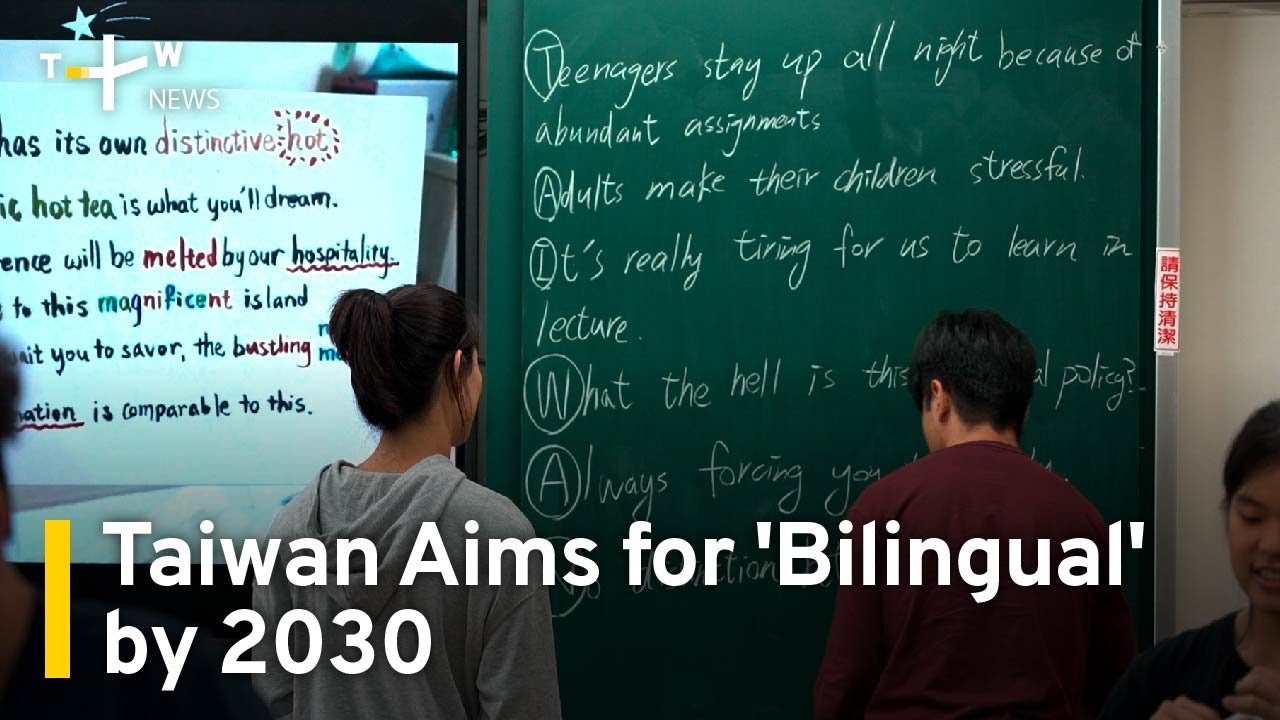
TBS-073 Taiwan's Bilingual Future
This lesson explores Taiwan's push to become a bilingual nation by 2030, emphasizing English proficiency in schools. Students will engage in small talk, summarize video content, and give detailed explanations. They will practice using new vocabulary, idioms, and expressions, and develop their speaking skills through storytelling, summarizing, explaining details, and analyzing data. The lesson includes activities for language development, speaking practice, and writing exercises, culminating in a formal speaking task related to the video's theme.

TBS-072 The Gold Rush, 2024 Edition
This lesson explores the recent surge in gold prices despite a strong economy, focusing on the shift from ETFs to physical gold. Students will engage in activities that enhance their vocabulary, speaking, and writing skills through authentic materials. They will summarize video content, discuss opinions, and present formal arguments. This session aims to develop concise communication, analytical skills, and organizational speaking abilities relevant to business contexts.
TBS-071 The Economics of Moutai – China's Premier Liquor
In this lesson, you will explore the business and cultural significance of Moutai, China's premier liquor, through an engaging video. You'll enhance your business English skills by learning and using vocabulary and idioms from the video. You'll also practice summarizing, explaining technical details, analyzing data, and expressing opinions formally and informally. The session will conclude with a formal speaking activity and a follow-up writing exercise to reinforce your learning.

TBS-070 Trouble at Red Lobster
In this engaging session, participants dive into the multifaceted challenges facing Red Lobster, a renowned seafood restaurant chain. Through a detailed examination of business strategies and operational hurdles, participants unravel the intricate dynamics of the casual dining sector. Engage in thought-provoking discussions, expand your vocabulary, and sharpen your communication skills to convey ideas effectively. By exploring concepts like loss leader and restructuring, and evaluating the effects of promotional strategies, participants acquire essential insights into business turnaround tactics. Ultimately, this session equips individuals with practical tools and techniques to successfully navigate the changing landscape of the restaurant industry in various scenarios.
TBS-069 (ML) Streaming: The End of Bargain Binges
In this comprehensive session, participants delve into the intricate realm of streaming services and the strategies crucial for their ongoing success in the modern entertainment landscape. Through thorough analysis of ad-supported models and exploration of innovative retention strategies, participants dissect the industry's intricate dynamics. Engage in stimulating discussions, refine vocabulary, and hone speaking abilities to construct persuasive arguments effectively. By proposing solutions to privacy concerns and evaluating impacts on traditional media, participants gain invaluable insights into the evolving streaming landscape. Ultimately, this session equips individuals with practical tools and strategies to adeptly navigate the dynamic world of streaming entertainment across multiple sessions.

TBS-068 US Democracy: Beyond Two Parties
This lesson delves into the shortcomings of the two-party political system and explores alternative methods of voting. Students learn about winner-take-all elections, proportional representation, and ranked choice voting. Through vocabulary development, speaking exercises, and critical discussions, students enhance their understanding of democratic principles and their ability to engage in informed political discourse. The speaking formally section empowers students to advocate for electoral reform in a simulated presentation scenario, fostering confidence and proficiency in expressing complex ideas.
TBS-067 How Temu Is Redefining E-Commerce
In this lesson, we explore the revolutionary rise of Temu, an e-commerce app challenging industry giants like Amazon. Students engage in vocabulary development, pronunciation practice, and critical thinking discussions. They also analyze Temu's success strategies and discuss its impact on the e-commerce landscape. Through formal speaking activities, students hone their presentation skills while exploring innovative marketing approaches.

TBS-066 OpenAI's Sora: Recognizing AI-Generated Videos
This lesson delves into the emerging technology of AI-generated videos, focusing on OpenAI's Sora tool. Students engage in activities to enhance their communication skills, including discussing AI implications, analyzing video content, and developing formal and informal speaking abilities. They explore vocabulary, idioms, and expressions while practicing concise summarization and critical thinking. By engaging with authentic materials, students refine their English proficiency in business contexts.
TBS-065 Exploring Tesla’s Stock Slide and Big Tech Trends
In "TBS-065 Tesla’s Stock Slide and Big Tech Trends," students embark on a journey through the intricacies of tech stock performance and market dynamics. The lesson centers around Tesla's stock decline, offering valuable insights into the factors driving its trajectory. Through engaging activities and discussions, participants gain a deeper understanding of the broader trends shaping the Big Tech landscape. From dissecting Tesla's slide to exploring the implications for the industry at large, students hone their analytical skills and strategic thinking. By the session's end, they emerge equipped with invaluable insights to navigate the ever-evolving world of Big Tech investments.

TBS-051 The Tesla Competitor Dominating China’s EV Market | WSJ Available Mar. 17
Tesla is facing pressure in China from the country’s top electric-vehicle company BYD. WSJ unpacks the business and manufacturing strategy of BYD and Tesla to uncover what the competition in China reveals about the race to own the global EV space.
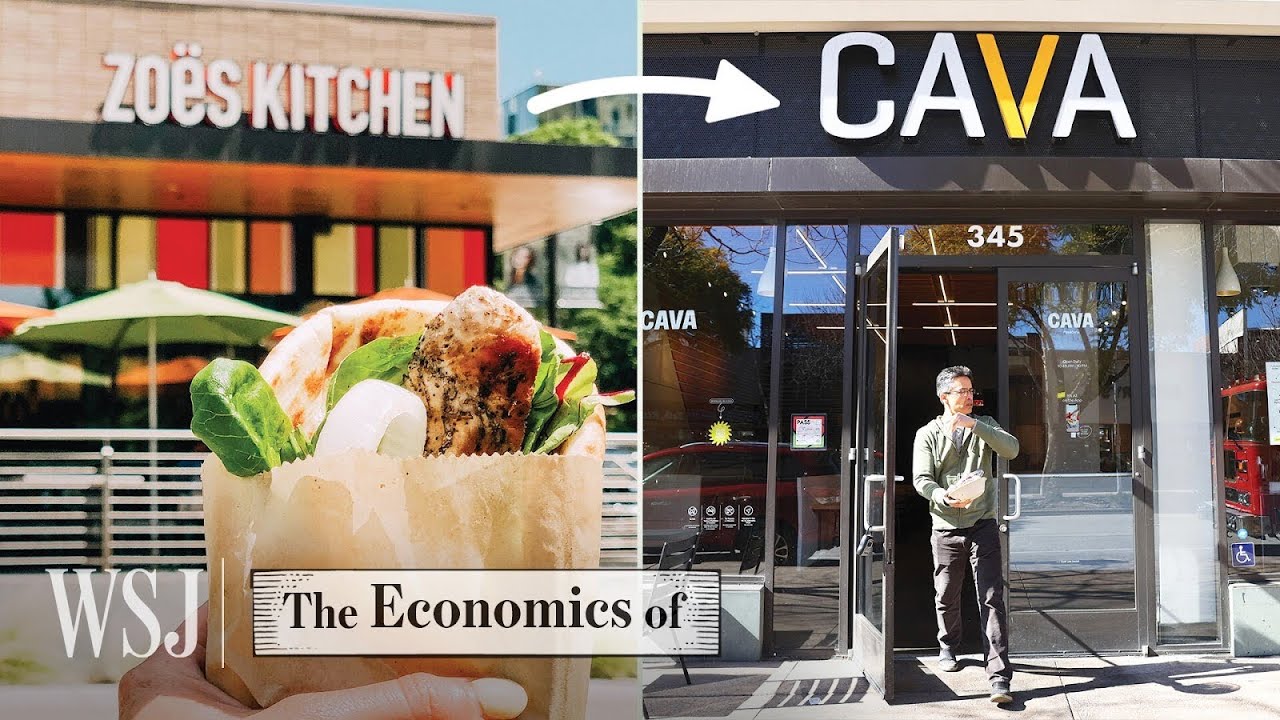
TBS-065 Cava's Strategic Growth in Fast-Casual Dining
In this lesson, students will delve into Cava’s business expansion and compare it with Chipotle's growth in the fast-casual dining sector. The session will focus on understanding and discussing Cava's unique growth strategies, including its acquisition of Zoe’s Kitchen and future expansion plans. Students will enhance their business vocabulary, engage in critical thinking about market strategies, and develop concise summarization skills. The lesson will also include opportunities for practicing formal and informal discussions related to the fast-casual dining industry.
TBS-064 Inside the Rise of Chipotle's Fast-Casual Empire
In this lesson, students will explore Chipotle's rise to success in the fast-food industry through engaging activities. They will practice small talk, enhance vocabulary, and develop formal and casual communication skills. The focus is on speaking formally, understanding business vocabulary, and expressing opinions on critical topics. Students will also delve into Chipotle's business model, emphasizing transparency, efficiency, and innovation. Through discussions and structured activities, they will gain insights into real-world business scenarios, preparing them for effective communication in professional environments.
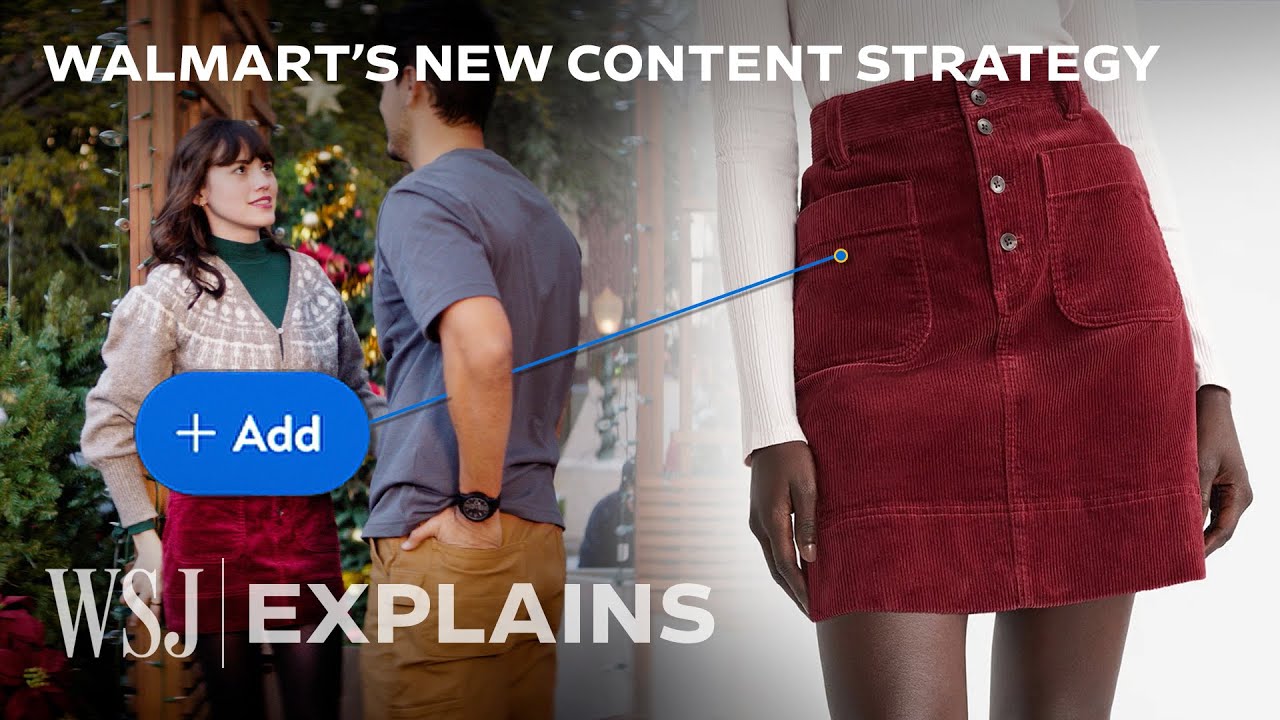
TBS-063 Shoppable Content and the Future of Advertising
In this lesson, students explore the innovative concept of "rom-commerce" as showcased by Walmart's shoppable series "Add to Heart". They will delve into the strategies behind this social commerce trend, learning how companies integrate shopping into entertainment. This lesson offers a unique blend of language development, focusing on vocabulary related to commerce and media, and speaking skills enhancement, especially in describing and analyzing marketing strategies.

TBS-062 The Challenges of Creating a Super App
Discover the world of super apps through engaging content from top business channels. This lesson focuses on the rise of super apps, exemplified by China's WeChat, and explores why they haven't gained the same traction in the U.S. Students will delve into vocabulary development, practice using idioms, and engage in discussions, preparing them to navigate business communication effectively. The session culminates in formal and casual speaking activities, empowering students to articulate their opinions on the future of super apps in the global business landscape.
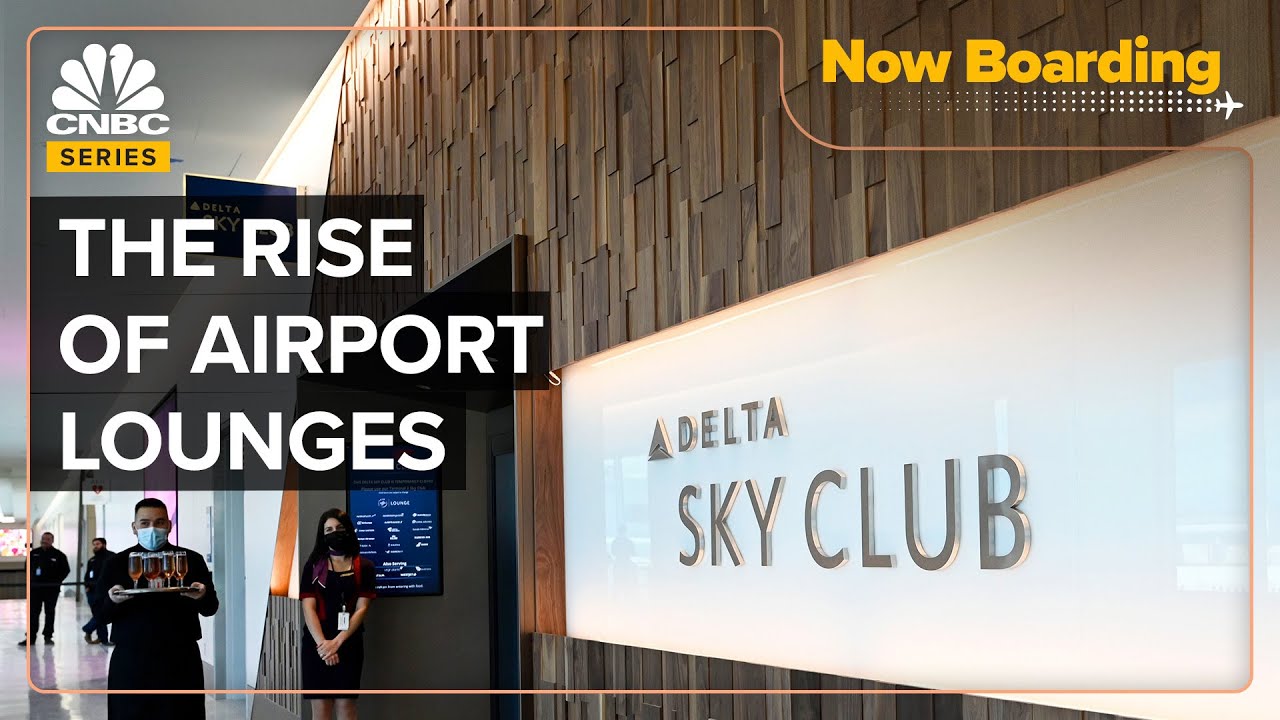
TBS-061 Skyward Bound: Travel Perks Unveiled
In this engaging lesson, students delve into the world of airport lounges through the video "The Rise of Airport Lounges." The lesson offers a comprehensive exploration of vocabulary development, comprehension, critical thinking, and structured speaking activities. Students expand their business communication skills while discussing airport lounges, learning idiomatic expressions, and sharing opinions on the topics presented. In the "Speaking Formally" activity, students collaborate in a formal scenario as airport management company employees, brainstorming improvements to the lounge experience and presenting their proposals. The "Speaking Casually" section allows students to provide advice to friends or colleagues in a relaxed context. These activities not only enhance language proficiency but also foster effective communication in business environments.
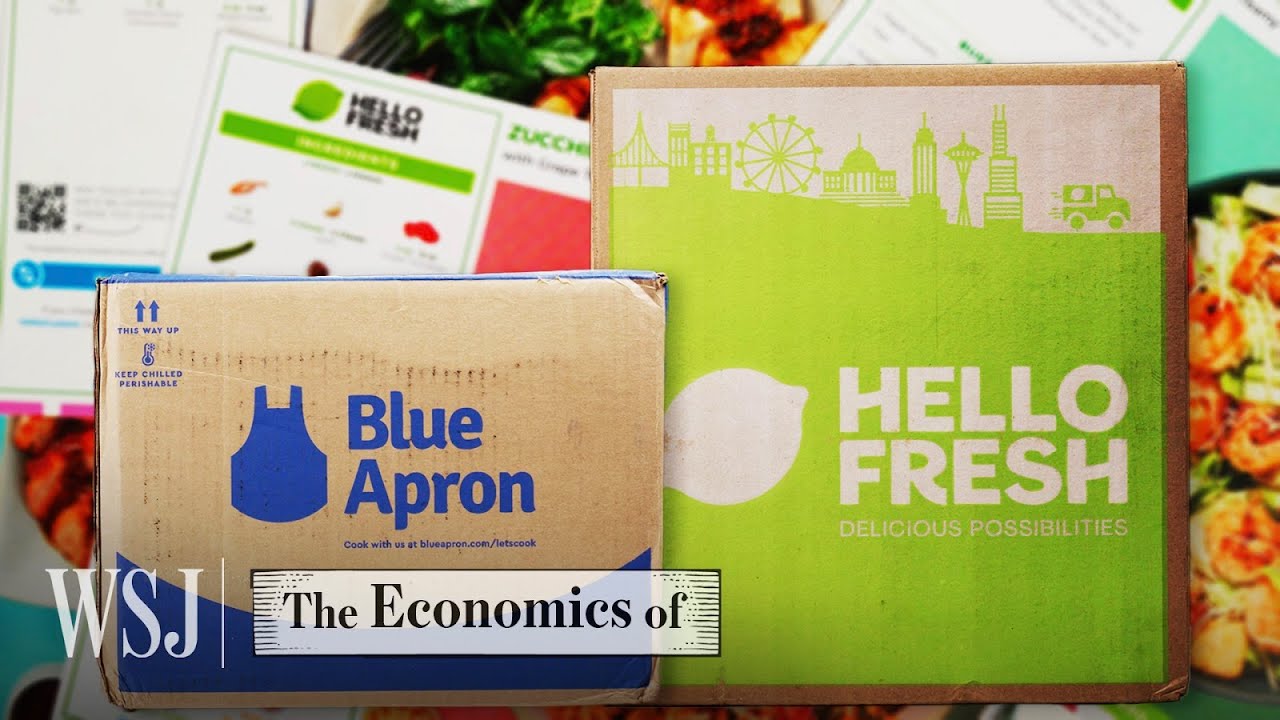
TBS-060 Meal Kit Industry Analysis
In this lesson, students delve into the intriguing world of meal kit companies like HelloFresh and Blue Apron. The lesson is based on a Wall Street Journal video, which examines the reasons behind the staggering 90% customer loss experienced by major meal kit companies within a year. Students will engage in activities that sharpen their understanding of business strategies, market challenges, and customer retention issues in the meal kit industry. They will analyze these aspects through speaking exercises, both formal and casual, and develop critical thinking by discussing opinions and thinking critically about the content. The lesson provides a comprehensive learning experience, focusing not only on content comprehension but also on enhancing language skills, particularly in business English, for upper-intermediate ESL students.
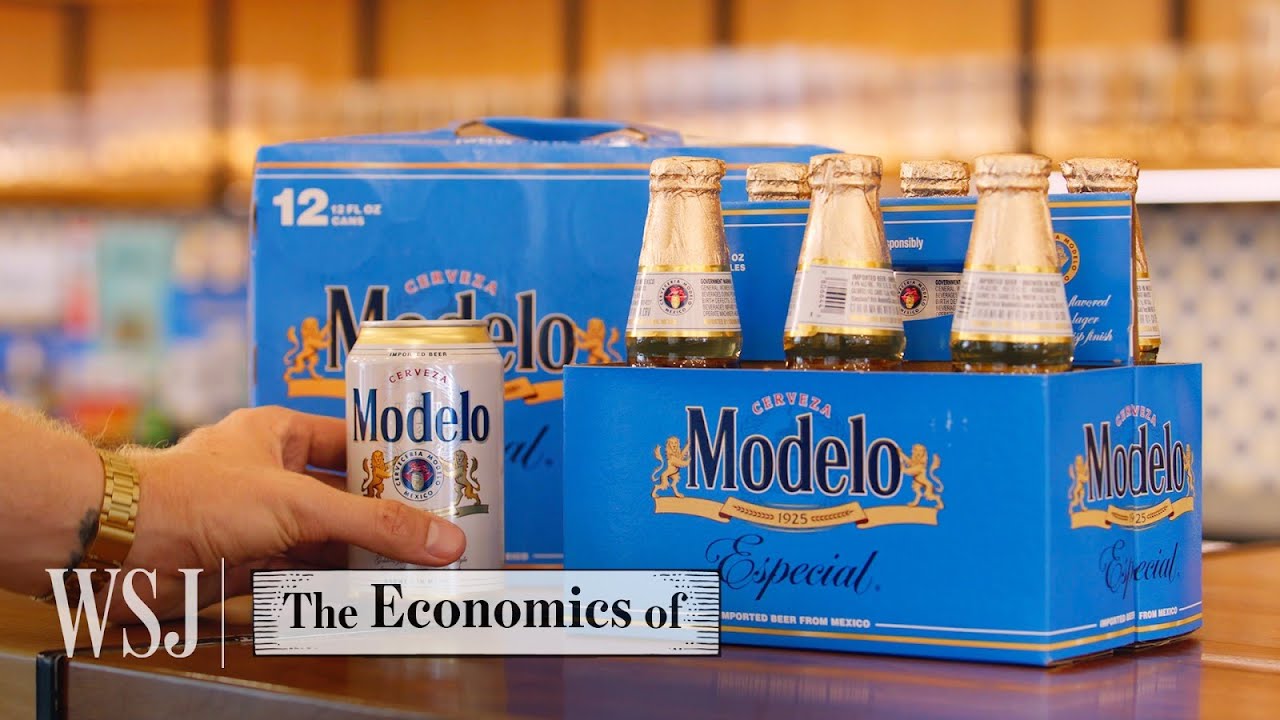
TBS-059 The Business of Beer Branding
In "The Business of Beer Branding," students explore the rise of Modelo Especial as America's top-selling beer. This lesson delves into strategic marketing, market competition, and demographic targeting, reflecting on Modelo's journey amidst a culture-war storm and an antitrust lawsuit. Students will engage in activities that enhance their understanding of formal and casual business communication, focusing on vocabulary development, summarizing content, and expressing opinions about business strategies and market dynamics.

TBS-058 Understanding the Federal Reserve's Impact on the Economy
This lesson delves into the intricate role of the Federal Reserve in shaping the U.S. economy. Students will explore how this powerful entity influences inflation and employment through its monetary policies. Activities include discussing formal scenarios related to economic strategies and engaging in casual conversations about the Fed's decisions. By analyzing video content, learners will develop a nuanced understanding of complex economic concepts, enhancing their vocabulary and critical thinking skills in a business context.

TBS-057 The Legacy of British Rule in Hong Kong
In this lesson, students will explore the lasting impact of British rule in Hong Kong. The video "How 156 years of British rule shaped Hong Kong" provides a visual and historical journey, highlighting Britain's imperial history, including the opium trade and cultural division, and its influence on modern Hong Kong. Students will engage in activities that develop their language skills, focusing on vocabulary related to history and culture, and critical thinking to discuss the complex legacy of colonialism.
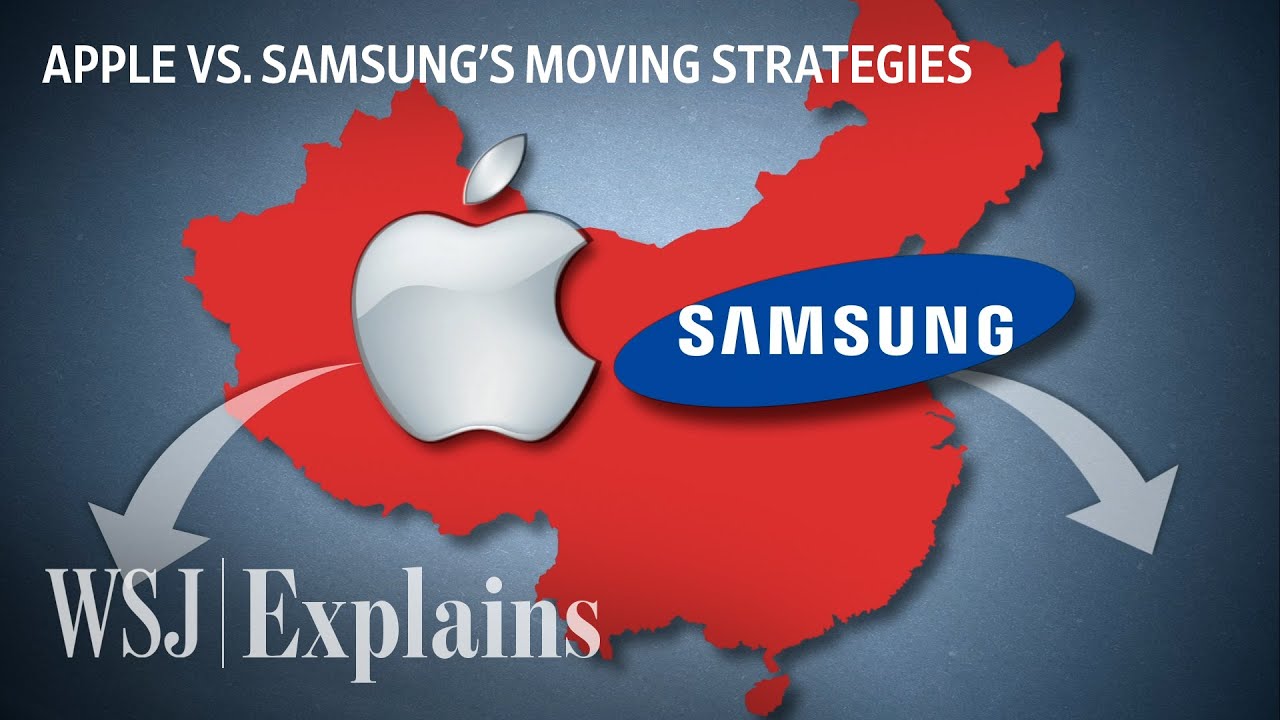
TBS-056 Diversifying Supply Chains: Apple and Samsung's Tactics for Global Expansion
In this Talk Business session, students will analyze how tech giants Apple and Samsung are strategically moving their manufacturing operations away from China. Through the WSJ video, they'll explore the reasons behind this shift and the geopolitical factors driving it. Students will develop business vocabulary, engage in discussions, and share opinions to improve their communication skills. They'll practice summarizing key points, explaining technical details, and analyzing supply-chain implications. The session will culminate in persuasive essays or presentations discussing the advantages and challenges of relocating manufacturing operations. This immersive experience will enhance students' writing and speaking abilities, preparing them for the business world.

TBS-055 Building Success: Unraveling Home Depot's Journey to Retail Dominance
In this Talk Business session, students will explore the rise of Home Depot as the world's largest home-improvement retailer. Through the provided video, they will learn about Home Depot's strategies that contributed to its dominant position in the industry, particularly by catering to professional customers. Students will engage in discussions, vocabulary acquisition, and concise summarization exercises to improve their communication skills. They will also analyze Home Depot's business practices, enhancing their ability to use analytical language. Furthermore, students will have the opportunity to participate in interactive activities that simulate real-world scenarios, allowing them to apply their knowledge and develop their speaking abilities. By the end of the session, students will have gained insights into successful retail strategies and improved their language skills in a business context.

TBS-054 Navigating Success: The Tale of Two Subway Systems - Tokyo vs. New York
In this Talk Business session, students will delve into the stark differences between the subway systems of New York and Tokyo. Through the provided video, they will learn why Japan's train system is ranked as the most efficient in the world, while New York's MTA operates at a loss. Students will analyze various factors that contribute to Japan's transportation system being far ahead, such as the extensive points of connection and smoother commutes. They will also explore the integration of commuter rail, payment systems, profitability, funding, and the issue of subway delays. Through discussions, vocabulary expansion, and practicing concise summarization, students will develop their communication skills. They will also work on using analytical language to compare and contrast the two subway systems, improving their ability to express opinions and critical thinking. As a post-class activity, students will prepare short presentations on strategies to improve the efficiency and profitability of New York's subway system, fostering their organizational and persuasive speaking skills. By the end of the session, students will have gained insights into the factors behind Japan's subway system success and enhanced their language proficiency in a business context.

TBS-053 Delivery Dominance: Unraveling the Economics of Domino's Pizza
In this Talk Business session, students will explore the success of Domino's in the U.S. pizza market and the economic challenges it currently faces. Through the provided video, they will learn about Domino's dominance in pizza sales, particularly due to its innovations in delivery. However, the shortage of delivery drivers poses a significant challenge to this foundational aspect of their business. Students will delve into the history of Domino's, analyze how the company efficiently delivers pizzas, and examine the impact of delivery apps like Uber Eats, Grubhub, and Doordash on Domino's operations. They will also discover how Domino's is exploring new options, such as electric vehicle delivery fleets, to address these challenges. Through discussions, vocabulary acquisition, and summarization exercises, students will develop their communication skills. They will also enhance their understanding of business economics, learning how successful companies generate revenue and adapt to changing market dynamics. As a post-class activity, students will engage in a group discussion to brainstorm strategies that Domino's could employ to overcome the shortage of delivery drivers, promoting critical thinking and problem-solving skills. By the end of the session, students will have gained insights into the economics of Domino's and improved their language proficiency in a business context.

TBS-054 The Economics of Barnes and Noble
Barnes & Noble grew into a bookselling powerhouse after scaling quickly, thanks to cookie-cutter retail locations. After years of struggling against e-commerce companies like Amazon, the bookstore adopted more of a local strategy, empowering individual stores to decide on inventory and displays. WSJ explains how that business model has panned out for the bookselling giant. Photo illustration: Ryan Trefes 0:00 How Barnes & Noble pivoted its business strategy 0:43 The history of Barnes & Noble 2:03 How the bookseller took a hit from digital competitors 3:00 Why the company adopted more of an independent bookstore strategy 5:18 What’s next for Barnes & Noble? The Economics Of How do the world's most successful companies generate revenue? In this explainer series, we'll dive into the surprising stories behind how businesses work--exploring everything from Costco's "treasure-hunt" model to the economics behind Amazon's AWS.

TBS-053 The Economics of Used Rolexes
Rolex is the world’s most popular luxury watch brand, yet it’s not involved in many of its own watch sales. Surprisingly, some used Rolex models cost more than the new ones. WSJ’s fashion columnist Jacob Gallagher explains how factors like long waitlists and supply chain issues have caused the used watch market to explode in recent years, and how Rolex is trying to get in on the action with its own certified pre-owned watch program. Is the clock ticking on the used watch market’s popularity?

TBS-052(ML) Population Powerplay: India's Rise and the Changing Global Economic Landscape
In this Talk Business lesson, based on a Wall Street Journal video, we explore the implications of India's population surpassing China's. For over two centuries, China has held the title of the world's most populous country, but this milestone may signal a shift in the global economy. The video delves into the potential consequences of this population shift for India, China, and the global economy, particularly in regards to the reliance on China's factory workers for manufactured goods. Participants will have the opportunity to engage in a range of speaking modalities, such as summarizing, explaining details, analyzing data, and expressing opinions on this critical topic.

TBS-051 Seven Ingredients for Creating Growth
In this class, you will have the opportunity to improve your English communication skills for business by watching a video featuring Aaron Ross, a renowned sales expert and advisor. The video focuses on the 7 ingredients for creating hypergrowth in business and offers practical insights and tips for revenue executives and sales professionals looking to drive growth in their companies. Additionally, you will have a speaking activity in which you will give advice to a friend who is starting a new business. You will use what you have learned from the video to help your friend drive growth in their business. You can either use a real situation or make up a specific business, such as a "Bubble Tea Shop in Taipei." This activity will allow you to practice using your language skills in a real-world context, as well as develop your ability to give advice and make recommendations.

TBS-050 Brainwashed: The Subconscious Power of Branding
In this Talk Business lesson, students will watch a video that explores the subconscious power of branding and how it can change the way we think and feel about companies. Through discussions and activities, students will develop their listening and comprehension skills while learning about the neurological effects of branding and marketing on the brain. They will also learn how branding can affect consumer behavior and decision-making, and how companies use branding to create emotional connections with their customers. In the speaking activity for this lesson, students will take on the roles of individuals who are either strong believers in Apple's branding or skeptics who think it's all just subliminal messaging. Each student will try to convince the other of their position through argumentation and persuasion, using the knowledge and vocabulary gained from the video as well as their critical thinking skills. By engaging in this exercise, students will not only develop their ability to communicate their opinions effectively but also their capacity to listen actively and engage in meaningful discourse. The feedback they receive from the teacher and their peers will help them improve their speaking and argumentation skills in English, which can be applied to various situations in their personal and professional lives.

TBS-049 Microsoft vs. Google: The Future of AI-Assisted Search
In this lesson, students will watch a video about Microsoft and Bing and learn new vocabulary and expressions related to the topic. Then, they will engage in a debate about the potential impact of AI on employment and safety, presenting arguments and counterarguments. Students will practice formal speaking skills and critical thinking while discussing a current and relevant issue. By the end of the lesson, they will have improved their ability to express their opinions effectively and persuasively. Students will engage in a debate about the future of AI in search engines, taking on the role of two technology experts at a conference. Student A will argue that AI will ultimately lead to job losses and could be harmful for society, while Student B will argue that AI will lead to a productivity boost and be beneficial for society. Both students will provide evidence to support their positions and respond to any counter arguments made by the other student. Through this activity, students will practice their formal speaking skills and critical thinking abilities, while also learning new vocabulary and expressions related to the topic of AI-powered search engines. By the end of the lesson, students will have improved their ability to express their opinions effectively and persuasively, as well as their ability to analyze and respond to opposing viewpoints.

TBS-048 Sun Tzu: 4 Battle Strategies for Business
In this Talk Business lesson, students will learn about how Sun Tzu's "The Art of War" can be applied to modern business practices. The lesson includes a video featuring Roger Martin, an author and former dean of the Rotman School of Management, who explains how the text's timeless philosophy can provide valuable insights into contemporary business strategy. Through various activities such as small talk, summarizing content, discussing opinions, and practicing critical thinking skills, students will improve their communication skills in a business setting and develop formal speaking skills. By participating in this lesson, students will also learn how to engage in small talk, use new vocabulary, be concise and detailed in their language, and develop their analytical language skills. Additionally, the post-class activity and feedback from the teacher will help students improve their writing skills. Through the debate scenario, students will have the opportunity to practice their argumentation skills and engage in critical thinking about the applicability of Sun Tzu's concepts to modern business practices.

TBS-047 Why we should use subtitles
In this Talk Business lesson, students will learn about the importance of using subtitles in modern cinema. The main objective of the lesson is to improve students' listening comprehension skills and teach them how to use subtitles effectively to enhance their understanding and enjoyment of movies, TV shows, and other media. During the lesson, students will watch a video that explores the use of subtitles in media content and the reasons why many people find them essential for their viewing experience. The students will then engage in a role-playing activity, where one student takes on the role of a proponent for using subtitles and tries to convince the other student, who is skeptical about the use of subtitles. By using the content from the video to support their arguments, the students will learn how to express their opinions and ideas in English.
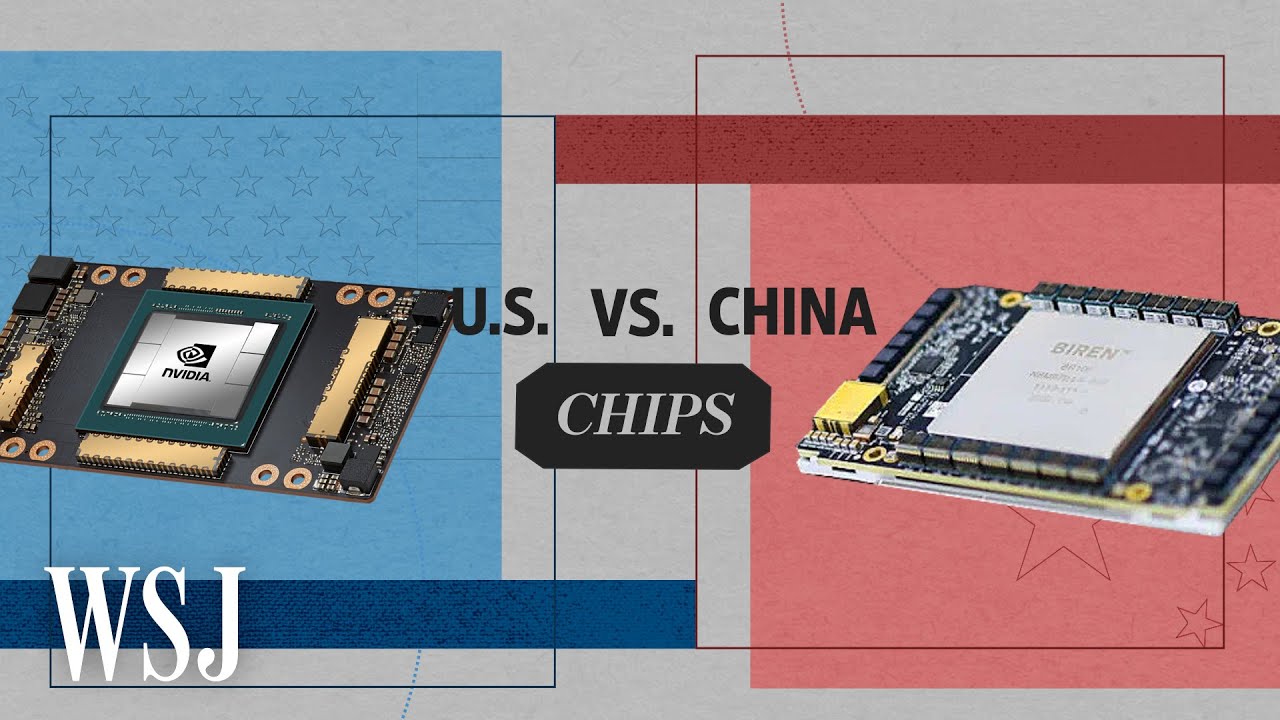
TBS-046 The Battle for Chip Dominance
In this Talk Business lesson, students will explore the technology rivalry between China and the US, specifically between Nvidia's A100 chip and China's Biren BR100 processor. Through watching the video and engaging in activities such as vocabulary development, summarizing content, explaining technical details, discussing opinions, and thinking critically, students will improve their communication skills in a business setting, including vocabulary usage and formal speaking skills. By participating in this lesson, students will gain a better understanding of the technology competition between China and the US, as well as develop their ability to use new vocabulary, be concise and elaborate in their language, and develop their analytical language skills. The Speak Formally section involves a debate about whether a government should provide state funding to support the domestic chip industry. In this activity, students will be divided into two teams, government and opposition, and argue in favor of or against providing state funding. They will have 5-10 minutes to prepare an opening argument, which should include a brief overview of the proposal and its main objectives, the main arguments in favor or against the proposal, and evidence and examples to support the arguments. Through this activity, students will practice their formal speaking skills, engage in critical thinking, and learn how to structure a persuasive argument.
TBS-045 The Economics of Adobe
In this Talk Business lesson, students will learn about Adobe, one of America's most valuable tech companies, and its business strategies for success. Through watching a video about Adobe's industry-leading software in the creative space, students will engage in various speaking activities, including summarizing content, explaining technical details, and discussing opinions. They will also learn vocabulary in context and develop their formal speaking skills in a business context. By participating in this Talk Business lesson, students will not only learn about Adobe's strategies for success but also develop their ability to be concise and detailed in their language, think critically, and utilize analytical language to describe business models. Additionally, students will practice using new vocabulary and idioms, learn to engage in small talk, and improve their writing skills through the post-class activity and teacher feedback.

TBS-044 Apple vs. Facebook: The Big Tech Fight
In this Talk Business lesson, students will delve into the ongoing conflict between Apple and Facebook over Apple's new privacy feature in iOS 14.5, which requires apps to request permission to track users. By watching a video that covers the conflict and engaging in small talk, summarizing content, explaining technical details, and discussing opinions, students will improve their communication and critical thinking skills in a business context. They will also learn vocabulary in context, practice formal speaking skills, and develop their analytical language skills. As a post-class activity, students will participate in a debate between Apple CEO Tim Cook and Facebook CEO Mark Zuckerberg, further honing their argumentation and persuasive skills.

TBS-043 Shark Tank US | Barbara and Kevin's Prickly Fight Over Pricklee Product
In this lesson, students will watch a clip from the popular TV show Shark Tank US, in which entrepreneurs pitch their company Pricklee Cactus Water to the sharks. By analyzing the strategies employed by both the entrepreneurs and the sharks, students will improve their critical thinking and communication skills for business environments. Students will also learn key vocabulary related to investment and negotiation and develop their ability to make informed decisions based on limited information. To further develop their negotiation skills, students will participate in a negotiation activity where they assume the roles of different stakeholders in the Pricklee Cactus Water deal, including an entrepreneur seeking funding, an investor seeking equity, and a Shark who is not interested in the deal but has concerns about the negotiations. The activity allows students to practice negotiating tactics and understand the dynamics of investment and negotiation in the business world.
TBS-042(ML): How to Improve Your Debating Skills and Foster Productive Disagreements
In this lesson, students will learn about the importance of productive debates in modern society and how to improve their debating skills. Students will engage in activities such as analyzing and evaluating arguments from different perspectives, understanding logical fallacies, and formulating persuasive arguments based on evidence and reason. The goal is to help students become better debaters who can engage in productive disagreements that lead to innovative solutions and a healthier society. To put their skills to the test, students will participate in a debate with a partner on a current issue, such as genetically modified foods, the death penalty, animal testing, plastic straw usage, or global warming. Each partner will have one minute to present their opening argument and one minute for rebuttal. The activity encourages students to think critically and anticipate their opponent's arguments while also practicing effective communication and persuasion skills.

TBS-041 The Economics Of Dunkin'
This lesson explores how Dunkin' Donuts transformed from a small doughnut and coffee shop into a global coffee powerhouse with over 12,000 stores in 40 countries. Students will learn about Dunkin's strategic decision to shift their focus from doughnuts to drinks, which allowed them to stay competitive and appeal to a wider audience. They will also understand how this decision impacted the company's growth and profitability. Additionally, students will learn about the challenges that Dunkin' faced as it expanded globally and how it managed to overcome them. The lesson provides valuable insights for entrepreneurs and business students who want to understand how to make strategic decisions that can help grow their businesses. As an activity, students can compare Dunkin' with Starbucks and evaluate which one could be a better franchise to invest in.

TBS-040 Democratizing Access to AI for Businesses with Andrew Ng
In this lesson, students will learn about the democratization of access to artificial intelligence (AI) and its potential to empower small businesses. AI expert Andrew Ng discusses how AI technology can help businesses make informed decisions about inventory and marketing, leading to increased efficiency and revenue. Students will also learn about the importance of data-driven decision-making in today's business environment. To further develop their communication and persuasion skills, students will prepare a sales pitch to convince a small business owner to license AI software for a fee of $1,000 annually. Students will have the opportunity to use useful phrases for emphasizing the benefits of the software and the potential impact it could have on the business. Through this activity, students will learn about the practical applications of AI technology and develop their ability to communicate complex concepts to others in a clear and concise manner.
TBS-039 China's Belt and Road Initiative: What Went Wrong and How It Could be Salvaged
This lesson explores the reasons behind the failures of China's Belt and Road Initiative (BRI) and the potential solutions for its reform. Students will learn about the history and current state of the BRI, and gain insight into the challenges and opportunities of Chinese foreign policy. To further develop critical thinking and persuasive communication skills, the student will engage in a debate about the best way to spread China's influence globally and create markets for Chinese goods abroad. The student will argue for either the provision of debt for infrastructure projects as the most effective method, or for forging alliances with other nations through the provision of aid.

TBS-038 How the British Royal Family Earns Money Explained
This lesson teaches students about the financial model governing the British royal family's wealth and income, as well as the financial implications of breaking free from these rules. Through this topic, students will develop their ability to explain complex systems and models in clear and concise language. They will also practice expressing their opinions and debating the pros and cons of making unconventional decisions, such as stepping away from traditional roles and expectations. To further develop their critical thinking and persuasive communication skills, students will engage in a debate about the future of funding The Royal Family, with one student arguing to continue funding due to the stability and economic benefits provided by The Crown, while the other argues for an end to funding in order to reclaim The Crown Estate and use it for public housing.
TBS-037 The Technology Behind Google Maps
This lesson introduces students to the technology behind Google Maps and the impact it has had on society, including privacy concerns associated with the technology. The video explores how the mapping technology works, including the use of satellite imagery, algorithms, and crowdsourced data. In addition to improving their understanding of complex technology concepts, students will develop their speaking skills by engaging in a debate about data collection legislation, with one student arguing that Google should not have the right to collect user data without permission, and the other arguing that anonymized data collection is necessary for the greater good of society.

TBS-036 Airbnb's Resilience in Times of Crisis
This topic focuses on how businesses can survive and adapt to challenging situations, as exemplified by the success of Airbnb during the 2008 financial crisis and the Covid-19 pandemic. The video features a discussion between WSJ's Preetika Rana and Airbnb CEO Brian Chesky, covering the company's business model, its ability to evolve with changing market conditions, and the factors that have contributed to its resilience. Students will gain insights into the sharing economy and its impact on the travel industry. They will also develop critical thinking and persuasive communication skills through a speaking activity that involves role-playing as Brian Chesky, presenting a convincing case to investors about the company's potential for growth despite recent stock declines. This task requires students to utilize the knowledge and insights gained from the video, as well as the quote provided by Chesky, to develop a compelling argument.

TBS-035 Financial Engineering: How Stock Buybacks Became So Popular
In this Talk Business lesson, students will explore the history and impact of stock buybacks on the American economy through a video that discusses how corporations use them to artificially boost their stock prices, enrich executives, and reduce wages and investment in workers. The lesson aims to develop critical thinking skills and provide a historical perspective on the evolution of corporate practices and the role of government in regulating business activities. Through discussions and activities, students will develop listening and comprehension skills, as well as the ability to analyze the incentives and outcomes of corporate decision-making and their broader economic and social implications. The lesson will also provide opportunities for students to practice their speaking skills by participating in a debate as expert witnesses in a Congressional Committee hearing on new legislation on stock buybacks. Additionally, the post-class activity and feedback from the teacher will help students improve their speaking and writing skills in a business context.
TBS-034 Understanding the Tech Stock Market Crash
In this Talk Business lesson, students will analyze the current state of the stock market and the impact of inflation and high interest rates on the technology sector. They will watch a video that discusses the reasons behind the recent tech stock market crash, providing valuable insights into factors that can influence investment decisions. To further develop their formal speaking skills, students will participate in a speaking activity where they take on the role of Laurence "Larry" Fink, CEO and chairman of BlackRock, an American multinational investment management corporation with over $10 trillion in assets under management. They will analyze the recent market dip and consider the pros and cons of buying into it, before giving a brief presentation to investors. Through this lesson, students will not only gain a better understanding of the stock market and investment decisions, but also develop their ability to analyze market trends and communicate their ideas effectively in a business context
TBS-033 Ben & Jerry’s Social Activism Strategy That Helps Scoop Up Customers
In this Talk Business lesson, students will explore the intersection of business and social activism through the case study of Ben & Jerry’s. They will watch a video that discusses the ways in which Ben & Jerry’s has incorporated social activism into its brand strategy, and the impact this has had on the company’s customer base. To further develop their formal speaking skills, students will participate in a debate where one student takes on the role of the CEO of Unilever and argues that Ben & Jerry’s should stick to producing ice cream, while the other students take on the role of Ben & Jerry and argue why corporate activism is important in modern-day society. Through this lesson, students will not only gain an understanding of how companies can use social activism to increase customer loyalty and brand awareness, but also develop their ability to communicate their ideas effectively in a business context. They will also learn about the challenges companies face when incorporating political issues into their brand strategy and how to navigate potential backlash.
TBS-032 Netflix's Strategies for Continued Growth After Subscriber Peak
In this Talk Business lesson, students will learn about Netflix's strategies for continued growth after experiencing its first subscriber decline in a decade. They will watch a video that discusses the potential plans Netflix may use to maintain its growth, including partnerships with other streaming services, expansion into new markets, and investments in original content. To further develop their formal speaking skills, students will participate in a presentation activity where they take on the role of Wilmot Reed Hastings Jr., the co-founder, chairman, and co-CEO of Netflix, and present a strategy to stabilize the company's stock price and reinvigorate investor confidence. This will require students to analyze the current state of the streaming industry and Netflix's position in it, as well as identify potential opportunities and risks.

TBS-031 The Dependence of Germany on Russian Gas
In this Talk Business lesson, students will explore the dependence of Germany on Russian gas and the potential ethical implications of boycotting Russian gas. They will learn about the economic and geopolitical consequences of Germany's dependence on Russian gas, as well as the potential job losses and economic recession or depression that could result from a boycott. To further develop their formal speaking skills, students will take on the role of Olaf Scholz, the newly-elected chancellor of Germany, and deliver a speech to the German people explaining their decision on whether or not to boycott Russian gas. Through this exercise, students will practice persuasive speaking and critical thinking, as they consider the ethical, economic, and geopolitical implications of their decision. Overall, students will gain an understanding of the complex issues surrounding energy security and the ethics of boycotts, as well as the challenges of making decisions that balance economic and ethical considerations. They will also develop their ability to communicate their ideas effectively in a business and political context.

TBS-030 Elon Musk's Potential Takeover of Twitter
In this Talk Business lesson, students will explore the potential takeover bid of Twitter by Elon Musk and his proposed changes to the social media platform. Musk has been vocal about his criticisms of Twitter, including issues with misinformation and harassment, and his proposed changes include making the platform more user-friendly and implementing a chronological timeline. Through discussion and analysis of a video from WSJ, students will learn about the potential impact of a takeover bid by a private individual on a major social media platform like Twitter. They will also gain an understanding of the potential benefits and drawbacks of Musk's proposed changes to Twitter, including the potential impact on issues related to free speech. To further develop their critical thinking skills, students will participate in a debate on whether or not Elon Musk should invest in Twitter. In this exercise, they will take on the role of Elon Musk and consider the ethical, legal, and business implications of such an investment. Overall, students will gain an understanding of the complex issues surrounding social media platforms, the role of private individuals in their management, and the importance of balancing ethical considerations with business goals. They will also develop their ability to communicate their ideas effectively in a business and political context.
TBS-029 Sneaker Showdown: Marketing Strategies for Nike and Anta
In this Talk Business lesson, students will explore the marketing strategies used by Anta Sports, a Chinese sportswear manufacturer, for their global expansion over the next 5-10 years. Working in groups, students will develop their own marketing strategies for Anta and present their ideas to Ding Shizhong, the Chairman of Anta Sports. Through this activity, students will practice formal speaking skills, including planning and delivering a professional business presentation. They will also develop their ability to work collaboratively and think critically about marketing strategies for global expansion. Additionally, this lesson will expose students to the competitive landscape of the sportswear industry and the importance of innovation and technology in product development and marketing. Students will also gain experience in analyzing and comparing the marketing strategies of international brands, such as Nike and Anta.

TBS-028 The Role of the Federal Reserve in Guiding the US Economy
In this Talk Business lesson, students will learn about the Federal Reserve's use of the federal funds rate to manage the U.S. economy. They will explore how changes in this rate can impact borrowing costs for consumers and shape decisions made by businesses, including hiring practices. Through examples and explanations from the WSJ, students will gain a better understanding of the role that the Federal Reserve plays in guiding the U.S. economy. Overall, students will develop their knowledge of macroeconomics and the factors that influence economic growth. They will also gain insight into the complexities of monetary policy and the challenges of balancing the needs of various stakeholders in the economy. Through discussion and analysis of the WSJ video, students will also enhance their critical thinking skills and ability to apply economic concepts to real-world situations.

TBS-027 The Global Economic Impact of Sanctions Against Russia
In this Talk Business lesson, students will learn about the economic impact of sanctions against Russia and the potential consequences for the global economy. They will watch a video featuring experts discussing the significance of the sanctions and how the conflict might transform the world economy. Following the video, students will participate in a speaking activity where they take on the role of a political leader from one of The Group of Seven countries. They will defend their country's decision to impose economic sanctions on Russia and explain to their citizens why it is important to suffer economic consequences in order to uphold world order. This activity will help students develop formal speaking skills and the ability to use data and information to support their arguments. Through this lesson, students will also gain an understanding of the complex geopolitical landscape and the role of economic sanctions in international relations. They will develop critical thinking skills as they analyze the potential consequences of economic sanctions and the importance of upholding world order.

TBS-026 The Future of Facemasks: Are We Ready to Say Goodbye?
In this Talk Business lesson, students will explore the importance of urban trees and their benefits to city life. Through a video from Vox Media, they will learn about the history of urban trees and their positive impact on the environment, human health, and social well-being. In the speaking activity, students will take on the role of Dr. Anthony Fauci, the Chief Medical Advisor to the President, and give a short speech to the American public on how to proceed safely with the removal of mask mandates. This activity will give students an opportunity to practice public speaking and communication skills while discussing a current and relevant topic. It will also allow them to develop critical thinking and problem-solving skills by considering the various perspectives and factors involved in making health guidance decisions.
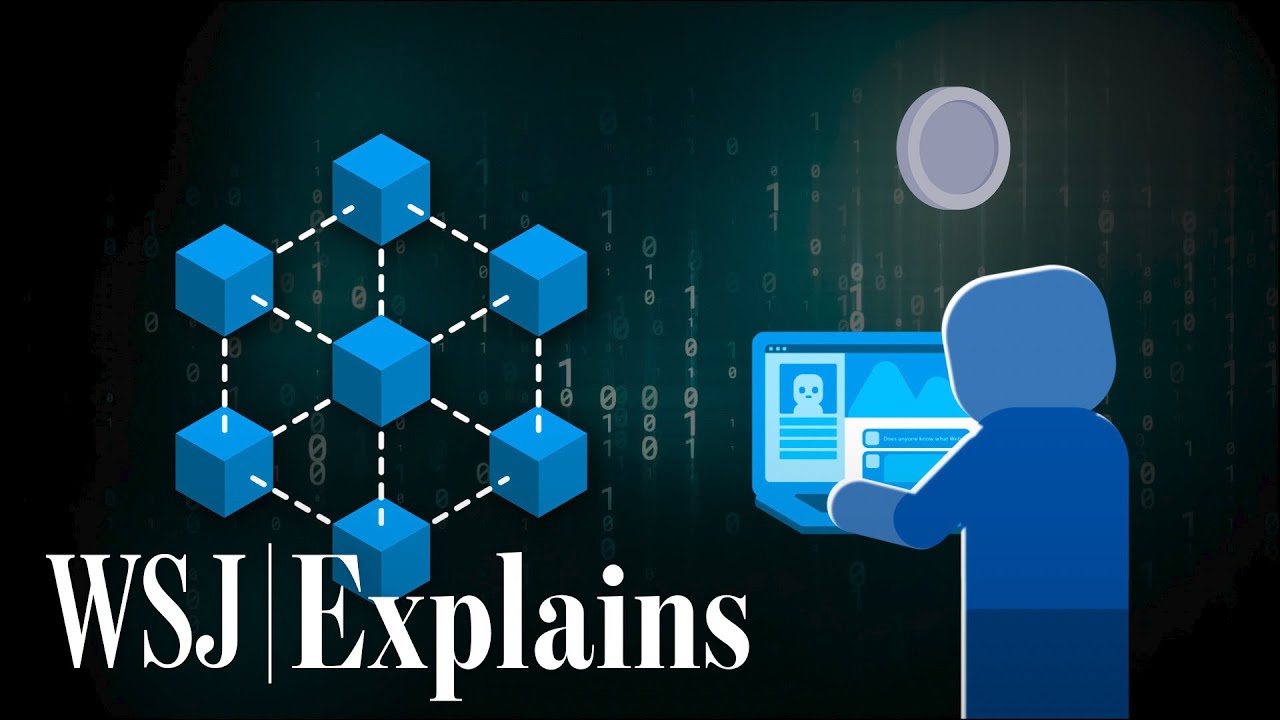
TBS-025 Exploring Web 3.0: The Future of the Internet
In this Talk Business lesson, students will explore the concept of Web 3.0, the next generation of the internet based on blockchain technology. Working individually, students will create a list of the key principles behind Web 3.0, and compare them to the principles of Web 2.0. Students will then engage in a class discussion to identify the benefits and drawbacks of Web 3.0 compared to its predecessor. Finally, students will practice their presentation skills by taking on the role of Satoshi Nakamoto, the creator of Bitcoin, and presenting to the class on the potential benefits of Web 3.0 and why it could change the world. Through this lesson, students will develop their critical thinking and public speaking skills while gaining a deeper understanding of the emerging field of Web 3.0 and blockchain technology.
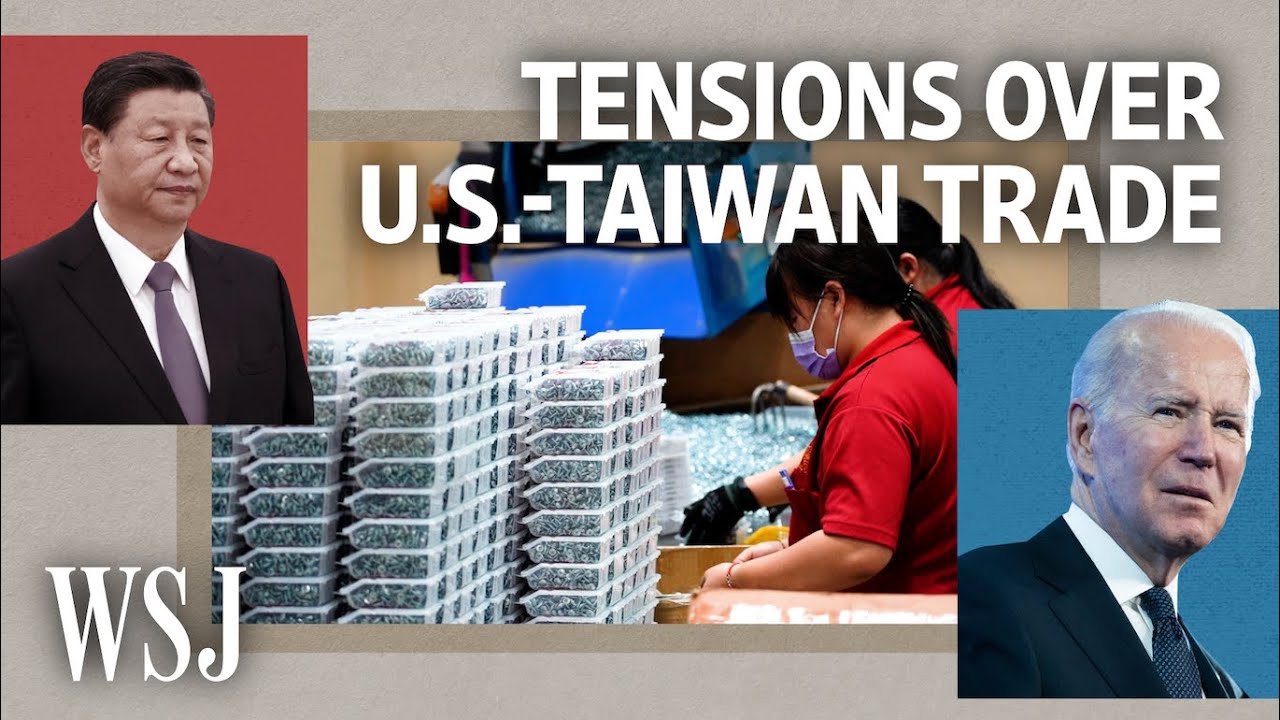
TBS-024 Rising Tariffs and Tensions: The Impact on US-Taiwan Trade
This lesson focuses on the complex decision-making process involved in relocating manufacturing operations. Students will take on the role of a Taiwanese business owner who must weigh the costs and benefits of moving their company from China back to Taiwan. Through this scenario-based activity, students will develop critical thinking skills as they consider factors such as differences in labor costs and quality of life, as well as potential geopolitical issues. They will also practice presenting their decision to a board of directors, improving their formal speaking skills. This lesson will expose students to the complexities of international business and the impact of geopolitical tensions on global trade. It will also provide insight into the manufacturing industry and the challenges that companies face when making strategic business decisions.

TBS-023 The Economics of the Olympic Games: Rewarding Athletes for Their Hard Work
This lesson focuses on the business model of the Olympic Games and the debate surrounding whether athletes should be monetarily rewarded for their participation and/or success. Students will take on the role of the head of the International Olympic Committee (IOC) and give a speech explaining their position on the issue. This lesson will expose students to the business side of the Olympics and the impact that it has on the sporting industry. It will also provide insight into the importance of athlete compensation and the ethical considerations surrounding it. Through this activity, students will develop critical thinking skills as they analyze the history of brand partnerships and the challenges sponsors are facing at the Olympic Games. They will also practice their public speaking skills, improving their ability to deliver a persuasive argument.
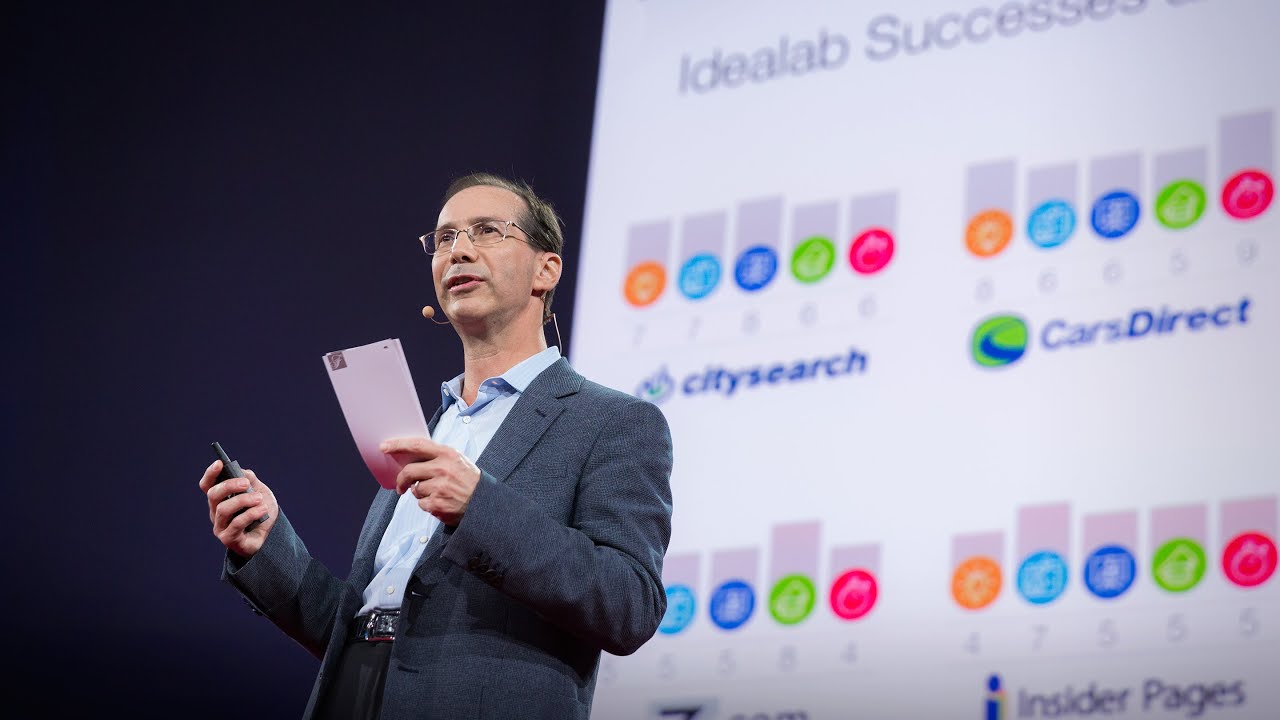
TBS-022 Analyzing the Factors of a Successful Start-up
In this speaking activity, students will analyze the factors of success for a start-up company of their choice. Using Bill Gross's Top 5 Factors of Success, they will evaluate how each factor contributed to the success of their chosen company. Through this activity, students will develop critical thinking skills as they identify and analyze key factors that led to a start-up's success. They will also practice their presentation skills as they share their analysis with their classmates. This lesson will expose students to the world of start-ups and entrepreneurship, and provide insight into the key factors that contribute to their success. It will also help students develop an understanding of the business world and the importance of strategic planning for success.

TBS-021 The Survival of Movie Theatres: A Look at the Theatrical Window
This lesson explores the relationship between movie theaters and movie studios and the concept of the "theatrical window," the period of time during which a movie is only available to watch in theaters. Students will examine the history of the theatrical window and how it has evolved over time with the emergence of home viewing options. In a scenario-based activity, students will take on the role of representatives from major movie studios and theater chains and negotiate the length of the theatrical window. Through preparing opening statements and arguments for their respective sides, students will practice critical thinking and persuasive communication skills. This lesson will expose students to the complexities of the movie industry and the impact of technological advancements on traditional business models. It will also provide insight into the negotiation process and the importance of understanding multiple perspectives in finding solutions.
TBS-020 Starbucks: A Technological Approach to Customer Loyalty
In this lesson topic, students will watch a video from WSJ about how Starbucks operates like a bank while serving coffee. The video explains how Starbucks used technology to garner its loyal customer base and why mobile orders are shifting the chain’s business priorities. After watching the video, students will participate in a speaking activity where they will present against unionization. Students will assume the role of Kevin Johnson, the CEO of Starbucks, and give a speech to employees to encourage them to maintain a direct relationship with the company, rather than form a union. This lesson topic is designed to improve students' listening comprehension and speaking skills. By watching the WSJ video, students will learn how a large company like Starbucks operates and how it has used technology to adapt to changing customer behaviors. The speaking activity will challenge students to think critically about the benefits and drawbacks of unionization and to develop persuasive arguments to maintain a direct relationship between Starbucks and its employees. Overall, this lesson topic will help students improve their business English communication skills and better understand the challenges faced by large companies in today's rapidly changing business environment.

TBS-019 The Virtual Land Boom: Exploring the Economics of Metaverse Real Estate
In this lesson, students will explore the growing trend of investing in virtual real estate within the metaverse. Through a video from WSJ, they will learn about the economic model of digital real estate and why investors are spending millions on virtual property. For the speaking activity, students will take on the role of the head of a large investment fund who believes that investing in the metaverse is the future. They will need to come up with an argument to present to their skeptical colleagues, considering factors such as the scarcity of metaverse real estate, getting in at the beginning of a boom, and the decisions of other companies to invest in the metaverse. This activity will encourage critical thinking and persuasive speaking skills, as students navigate the complexities of making investment decisions in an emerging market.

TBS-018 Avoiding Japanification: Strategies for Sustainable Economic Growth
This lesson focuses on the concept of "Japanification," which refers to the challenges of slow growth, low inflation, and low interest rates that Japan has faced in recent years. As the US economy faces similar challenges, students will take on the role of Jerome Powell, Chair of the United States Federal Reserve, and work with other board members to develop strategies to avoid Japanification in the US economy. The lesson will begin with a discussion of the similarities and differences between Japan and the US in terms of economic equality, demographics, culture, and other factors. Then, students will brainstorm and present policy actions that can be taken to avoid economic stagnation, using a chart to help explain the situation. Through this activity, students will learn about the importance of proactive economic policy-making and the potential consequences of inaction.
TBS-017 The Economics of IKEA
This lesson is based on a video by the Wall Street Journal that explains the behavioral psychology behind the “IKEA effect.” Students will learn why part of furniture giant IKEA’s success stems from its policy requiring its customers to build its products. The lesson will then move on to a speaking activity where students will develop a new marketing strategy for IKEA. The speaking activity will put students in the shoes of a marketing team at IKEA’s corporate headquarters in Delft, Netherlands. The team is tasked with developing a new brand image for the company since the passing of its founder, Ingvar Kamprad. Students will be presented with several alternatives to choose from, including going upmarket, being less minimalist, or doing away with the DIY requirement. Throughout the lesson, students will be encouraged to think critically about the strengths and weaknesses of each strategy and how it aligns with IKEA’s brand and customer base. They will also develop their persuasive speaking skills as they present their chosen strategy to the Board of Directors. By the end of the lesson, students will have gained a deeper understanding of the IKEA effect and how it influences consumer behavior, as well as how to develop effective marketing strategies.

TBS-016: Exploring the World of Meme Coins
In this Talk Business lesson, students will explore the world of cryptocurrency and its current trends through a video by the Wall Street Journal titled "Shiba Inu's Rise Signals New Meme Coin Cryptocurrency Trends." The video discusses the recent surge and subsequent fall of the Shiba Inu coin, and how it is part of a growing trend of meme-based cryptocurrencies that are rivaling some of the largest digital tokens in the world. Students will learn about the reasons behind the popularity of these meme coins, as well as the risks associated with investing in them. After watching the video, students will participate in a speaking activity where they will act as financial advisors to a friend who is interested in learning about cryptocurrency. They will use the information they have learned from the video to give a short explanation of the basics of crypto, including which cryptocurrencies to check out and avoid, as well as their short-term and long-term predictions for the future of cryptocurrency. Through this activity, students will develop their persuasive speaking skills and ability to advise others on financial matters. By the end of the lesson, students will have gained a deeper understanding of cryptocurrency and its current trends.

TBS-015 How to speak so that people want to listen | Julian Treasure
Have you ever felt like you're talking, but nobody is listening? Here's Julian Treasure to help you fix that. As the sound expert demonstrates some useful vocal exercises and shares tips on how to speak with empathy, he offers his vision for a sonorous world of listening and understanding.
TBS-014 Global E-commerce Showdown: Amazon vs. Alibaba's Fast Shipping Promise
This lesson is based on a video by the Wall Street Journal that examines the competition between e-commerce giants Alibaba and Amazon. The video takes us inside Alibaba's largest automated warehouse in China to show how robots and logistics networks are helping the company expand globally and compete with Amazon's global dominance. In the speaking activity, students will be put in the role of investment managers for a large Middle Eastern investment fund with a mandate to invest 10% of their portfolio in e-commerce. They will need to choose between investing in either Amazon or Alibaba and prepare a short presentation explaining their investment decision to their clients. Students will be asked to work in groups and consider the advantages and disadvantages of each company, such as future cash flows, architecture of the businesses, and geopolitical risks. They will also be encouraged to use the lesson on structuring presentations to help them organize their ideas and effectively communicate their investment decision to their clients. By the end of the lesson, students will have gained a deeper understanding of the competition between Amazon and Alibaba and how to make strategic investment decisions in the e-commerce industry.
TBS-013 The Great Climate Change Debate: Public, Private, or Philanthropy?
In this lesson, based on a video by the Wall Street Journal, students will explore the economic costs of reducing global warming and the challenges of funding these efforts. The video examines the staggering price tag associated with limiting global warming to 1.5 degrees Celsius and explores how the funds could be spent and who would pay. After watching the video, students will participate in a debate on the best way to fund climate change initiatives. Students will be divided into three groups, each representing a different source of funding: the public sector, the private sector, and philanthropy. Each group will prepare arguments for their position and present them to an audience that represents their target source of funding. Through this activity, students will develop their persuasive speaking skills and learn how to make compelling arguments that appeal to different audiences. They will also gain a deeper understanding of the complex economic and political issues surrounding climate change and the competing interests that must be balanced in order to address this urgent global problem.
TBS-012 Inside Chick-fil-A's Unique Franchise Model: A Recipe for Success
This lesson is based on a video by the Wall Street Journal that explores the unconventional franchise model behind Chick-fil-A’s success. Students will learn about the strategies that have driven the Atlanta-based company’s rapid growth and popularity, particularly its focus on values-based leadership and customer service. The lesson will then move on to two speaking activities. In the first activity, students will participate in a mock interview with the incoming CEO, Andrew Cathy, as they apply to open the first Chick-fil-A in their country. They will draw on Chick-fil-A’s business model and values in their responses to questions about their qualifications and suitability as operators. In the second activity, students will engage in a debate about Chick-fil-A’s business model and growth strategy. One student will argue for the company’s slower, conservative growth and consistent culture across franchises, while the other will argue for a more aggressive expansion plan. Through this activity, students will develop their critical thinking and persuasive speaking skills as they consider the pros and cons of different growth strategies. By the end of the lesson, students will have gained a deeper understanding of Chick-fil-A’s unique approach to business and how it has contributed to the company’s success.

TBS-011 Regulating Facebook: Lessons from Cigarette Regulation
This lesson is based on a video by the Wall Street Journal that explores the similarities between Facebook and Big Tobacco and what this means for the regulation of social media. The speaking activity will put students in the role of Senator Ed. Markey, who has drafted a bill to limit the harm that companies like Facebook can cause to society. Students will give a 2-3 minute presentation to the United States Senate, outlining why they think social media companies should be regulated, drawing on the arguments made by the Wall Street Journal. Throughout the lesson, students will be encouraged to think critically about the potential dangers of unregulated social media and how they compare to those of tobacco. They will also develop their public speaking skills as they present their case to their classmates, honing their ability to persuade and engage an audience. By the end of the lesson, students will have gained a deeper understanding of the issues surrounding social media regulation and be better equipped to make informed arguments about this important topic.
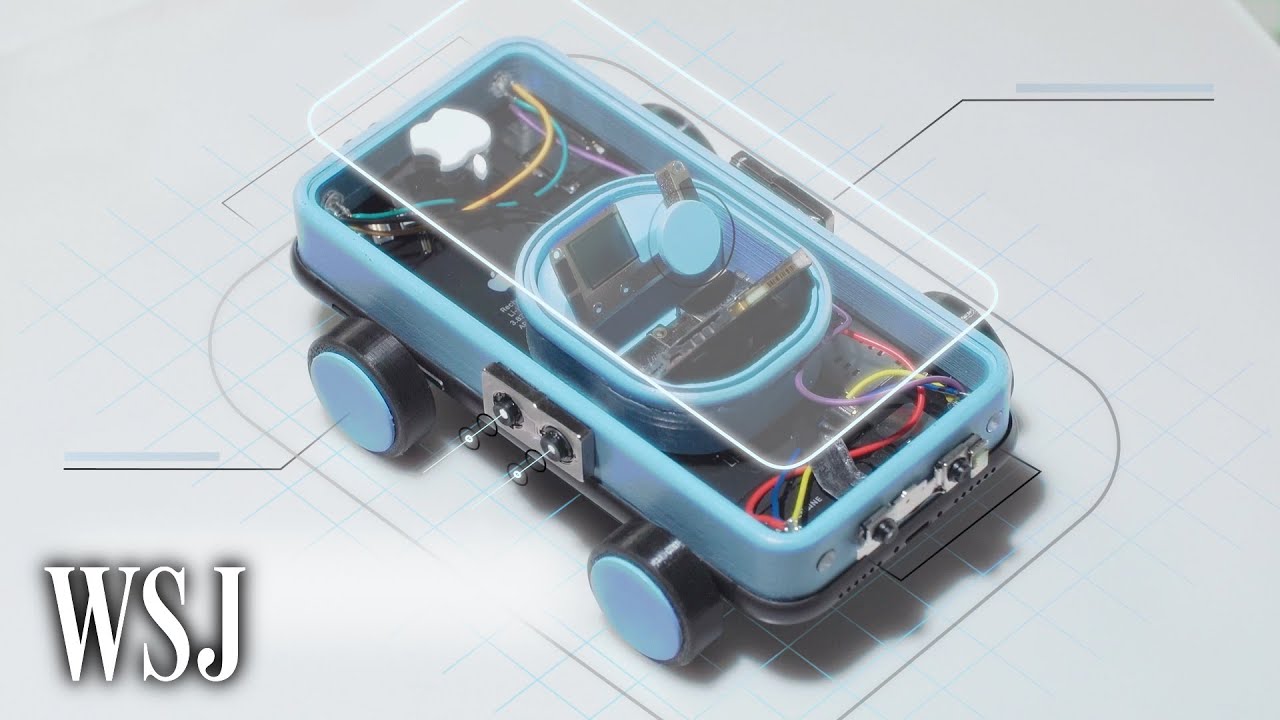
TBS-010 From iPhones to Cars: Apple's New Venture
This lesson is based on a video by the Wall Street Journal that explores the possibility of Apple entering the automotive industry by creating a fully autonomous, electric vehicle. Students will learn about the challenges and costs involved in this venture, as well as Apple's history of disrupting other industries. The lesson will then move on to a speaking activity where students will develop a persuasive speech to justify the R&D costs of the Apple Car to the Board of Directors. Students will gain insight into the importance of vertical integration and innovation in the tech industry, as well as improve their public speaking and persuasion skills.
TBS-009 How One Winery is Navigating the Current Inflationary Environment
This lesson is based on a video by the Wall Street Journal that delves into the challenges that businesses face in deciding whether to absorb the rising costs of input supplies or pass them on to consumers through price hikes. Through a case study of a Napa Valley winery, students will learn about the factors that go into making such pricing decisions, including supply shocks, increased demand, and labor shortages. The speaking activity will put students in the role of Head of Operations for a large beverage conglomerate in the United States, who needs to explain to shareholders why profit margins on wine sales have decreased over the past few months. In a 2-3 minute presentation to the Board of Directors, students will need to explain the factors behind the input supply shortages that have caused the profit margins to decrease and give an outlook for the future. Throughout the lesson, students will be encouraged to think critically about the impact of inflation on businesses and consumers, and consider the trade-offs involved in pricing decisions. They will also develop their presentation skills and learn how to effectively communicate complex information to a board of directors. By the end of the lesson, students will have gained a deeper understanding of the challenges that businesses face in a volatile market and how to navigate them effectively.

TBS-008 The Economics of Rideshare Pricing
This lesson is based on a video by the Wall Street Journal that explains the factors behind the surge in prices for Uber and Lyft rides, both before and during the pandemic. Students will learn about the economic principles that influence ride-sharing prices, including supply and demand, as well as the tactics that companies use to stay competitive in the market. The speaking activity will put students in a role-play situation, where they will debate the ethics of well-funded corporations aggressively lowering prices to drive out competition. One student will argue that this is unethical, while the other will argue that it is normal and expected behavior in a competitive market. Students will need to research and prepare their arguments, drawing on their knowledge of business ethics and economics. Throughout the lesson, students will be encouraged to think critically about the complexities of pricing in the ride-sharing industry and the different perspectives that stakeholders may have. They will also develop their persuasive speaking skills as they present their arguments and engage in a debate with their classmates. By the end of the lesson, students will have gained a deeper understanding of the economic principles behind ride-sharing pricing, as well as the ethical issues that arise in the business world.

TBS-007(ML) The Hidden Side of Silicon Valley: The Apple and Google Partnership
This lesson is based on a video by the Wall Street Journal that explores the partnership between two of Silicon Valley's biggest rivals, Apple and Google. Students will learn about the $8 billion to $12 billion deal that they maintain each year, according to a U.S. Department of Justice lawsuit, and how they have come to depend on each other. The lesson will then move on to a debate activity where students will explore the role of government in regulating big tech companies. In the debate, students will take opposing sides: one arguing that tech companies are too big and powerful, and the government needs to control them through antitrust lawsuits and regulations; the other arguing that the free market should decide how big companies are and that they should be allowed to grow as big as they want. Students will be encouraged to develop their critical thinking skills and consider the different perspectives on this issue. They will also develop their persuasive speaking skills as they present their arguments to the class. By the end of the lesson, students will have gained a deeper understanding of the Apple-Google partnership and the role of government in regulating big tech companies.
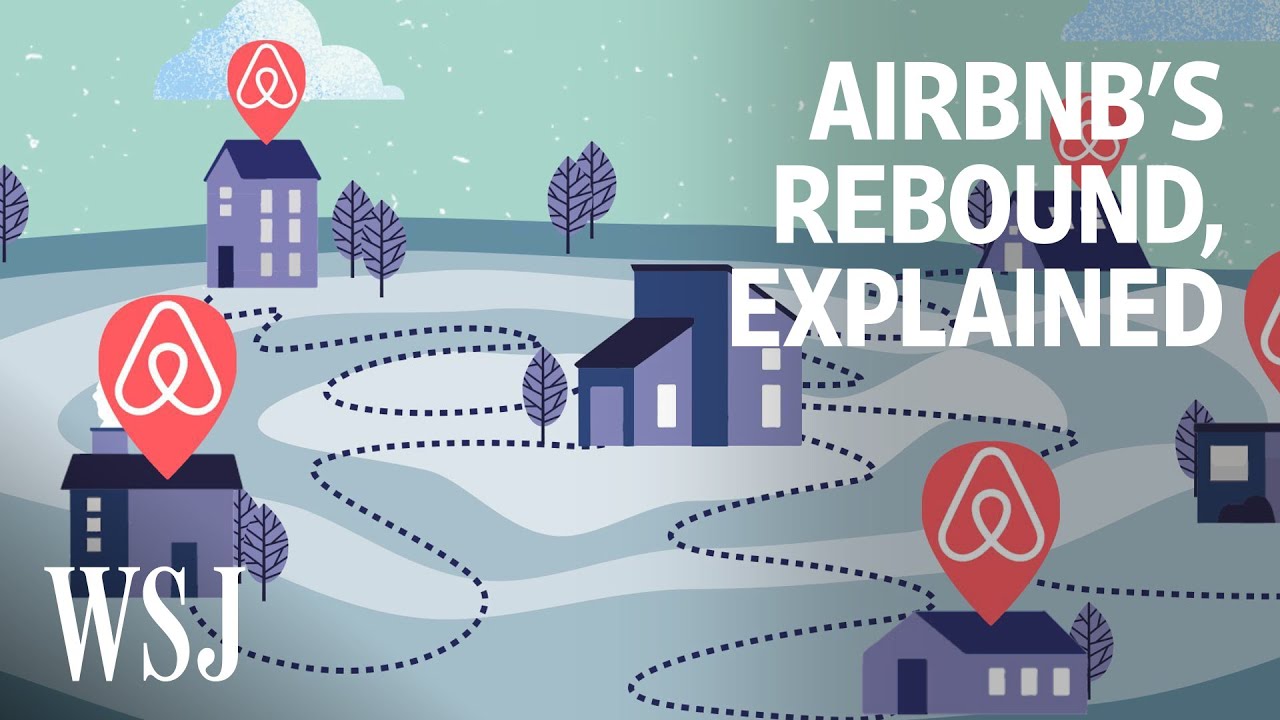
TBS-006 Airbnb: From Bleeding Cash to a Promising Future
This lesson is based on a Wall Street Journal video that explores how Airbnb managed to salvage its initial public offering (IPO) by adapting its business to the challenges of the COVID-19 pandemic. The video highlights how the company's quick thinking and innovative strategies helped it navigate through the crisis and emerge as one of the most successful IPOs of 2020. In the speaking activity for this lesson, students will engage in a short debate on the future of the travel and hospitality industry. Through this exercise, they will explore different perspectives on the role of Airbnb and hotels in shaping the future of travel. By examining the strengths and weaknesses of each position, students will develop their critical thinking and persuasive speaking skills, and gain insights into how businesses can adapt to unexpected challenges to achieve long-term success.
TBS-005 Don't Let Your Phone Control You: Lessons from Tim Ferriss
This lesson is based on a video by Tim Ferriss, a well-known business innovator and author, who offers tips and rules on how to use your phone without it using you. Students will explore the advantages and disadvantages of the new law and consider whether it is good for society, who it will affect, and how it will be enforced. During the speaking activity, students will be tasked with developing an argument for or against the new law, while incorporating Tim Ferriss’s points about mindful phone usage. The lesson will encourage students to think critically about their own phone usage and the impact it has on their lives and society as a whole. By the end of the lesson, students will have gained valuable insights into how to use their phones in a more mindful and intentional way, and how to develop persuasive arguments using evidence and effective communication strategies.

TBS-004(ML) 2020: A Year in Review
This lesson is based on a Vox Media video that reviews the significant events that took place in 2020. From the pandemic to social justice movements, the video provides an overview of the most memorable moments of the year. In this lesson, students will explore one of the trends highlighted in the Vox Media article "2020 in 20 charts" and describe it in detail, using relevant data and their personal experiences. The speaking activity requires students to reflect on the trend and propose recommendations for the future. During the activity, students will be encouraged to think critically and analyze the trend from different perspectives. They will develop their communication skills as they describe the trend, share their experiences, and present their recommendations. By the end of the lesson, students will have gained a deeper understanding of the significant events that took place in 2020, and will have learned how to analyze and communicate complex information effectively.
TBS-003(ML) Insights from Taiwan's Successful Covid-19 Response
This lesson is based on a video by Vox Media that explores Taiwan's successful response to the Covid-19 pandemic. Students will learn about the measures taken by Taiwan's government, including a digitized healthcare system and mandatory quarantine for travelers, that contributed to the country's low Covid-19 death rate. The lesson will then move on to a speaking activity where students will reflect on their own views regarding the possibility of future pandemics and the world's preparedness for them. Students will be prompted to discuss whether they believe there will be another pandemic, whether the world will be better prepared, and whether they feel ready for another pandemic. Through this activity, students will develop their critical thinking and communication skills, as well as gain insights into the importance of pandemic preparedness.

TBS-002 From Pitch to Partnership: The Success Story of Touch Up Cup on Shark Tank
This lesson is based on a Shark Tank pitch by father and son duo, Carson and Jason Grill, who successfully secured a $150k investment for their company, Touch Up Cup, in exchange for a 10% stake. Students will learn about the art of pitching a product, including how to identify a need in the market, define the target audience, and develop a financial plan. They will also gain insight into the importance of strategic partnerships and selecting the right venture capitalist for their company. The speaking activity will challenge students to pitch their own product to the class, applying the skills and knowledge they have acquired throughout the lesson. They will need to articulate a clear value proposition, demonstrate a deep understanding of their target market, and explain their financial projections. Additionally, students will need to identify which Shark would be the most suitable venture capitalist for their company and why. By the end of the lesson, students will have gained valuable skills in entrepreneurship, communication, and persuasive pitching.

TBS-001 How Starbucks’ Failure in Australia Holds Valuable Lessons for Business Growth Strategies
This lesson is based on a CNBC video that discusses Starbucks' unsuccessful attempt to expand into Australia. Students will analyze the factors that led to Starbucks' failure in the Australian market, including the brand's inability to differentiate itself from competitors, cultural differences in coffee consumption, and lack of understanding of the local market. The speaking activity will be a role-playing exercise where students take on the roles of a salesperson and a potential franchisee for a Taiwanese teahouse franchise called "Bubble Cup." Students will practice persuasive speaking and active listening skills as they try to convince each other of the benefits of the franchise and decide whether or not to invest. Throughout the lesson, students will be encouraged to think critically about the importance of market research and understanding local cultures and preferences when expanding a business globally. They will also develop their cross-cultural communication skills as they learn how to tailor their message to different audiences. By the end of the lesson, students will have gained a deeper understanding of the challenges of global expansion and the importance of cultural sensitivity in business.

The eclipse photo that made Einstein famous
Albert Einstein’s theory of general relativity, published in 1915, defined gravity as the influence of massive objects, like planets and stars, curving space around them. This was very different from the way Isaac Newton had defined gravity over 200 years earlier: Newton described an attracting force that kept planets and stars in orbit with each other. If Einstein was right, then light would also bend near massive objects. And in 1919, two British expeditions set out to test it by photographing a total solar eclipse. By comparing the position of stars with the sun in front of them and another with the sun elsewhere, Arthur Eddington and his team proved that the stars’ apparent positions moved during the eclipse. This was the first, but not the last time Einstein’s theory of general relativity was tested and proven, and Einstein became a celebrity overnight. He remained a pop culture icon for the rest of his life.

XPeng vs. Tesla: The Race for the Best EV Tech | WSJ
Chinese automaker XPeng is betting that driving assistance features and other tech will be the key to winning new customers. WSJ travels to its research and development lab to see how its rivalry with Tesla could reshape how we drive. Photo: XPeng

What the Inflation of the 1970s Can Teach Us Today | WSJ
Recently, the U.S. inflation rate reached a 13-year high, triggering a debate about whether the country is entering an inflationary period similar to the 1970s. WSJ’s Jon Hilsenrath looks at what consumers can expect next. Photo: Alexander Hotz

How the Oil Bust Could Reshape Global Markets | WSJ
The coronavirus pandemic has emptied out cities around the world, causing a historic drop in oil demand just as production was reaching new highs. WSJ explains the oil price bust that could reshape energy markets. Photo Illustration: Carlos Waters/WSJ
1-5 of 125
Use your own material.
Send us a YouTube video, a company report, or an email thread. We'll build the full workflow around your material within 24 hours. Same process, 100% relevant to your work.
Ready to book a class?
Choose a package or membership and get started. Flexible scheduling, no contracts.
Lifetime Price Lock.